When we start a venture or a company, our goal is to become known and sell our products, but how do we do it?
Depending on the type of product, the image we want to project and our potential customer, we’ll need to plan our strategy differently. But let’s start at the beginning: what is marketing? We explain it below!
What is marketing?
There are many ways to define marketing, but you could say it’s every strategy, technique and plan we use in our company to achieve a goal, whether that’s increasing our visibility or our sales.
It’s the set of actions a company carries out to please and attract its consumers.
Its goals
To carry out a successful marketing plan, we need to be clear about what we want to achieve with it: we need defined goals. The goals we usually want to achieve with a marketing plan are:
- Making our company and products visible.
- Increasing sales.
- Launching a new product.
- Improving return on investment.
- Entering new markets.
- Winning new customers.
- Building customer loyalty.

Types of marketing
Since there are many types of products and services to sell, there are many types of marketing. Below, we describe the most common ones.
Traditional marketing
It’s the type of marketing that existed before the digital world changed our lives: offline actions such as radio and TV ads, flyers and posters in the street.
Green marketing
It’s aimed at eco-friendly products or services, and its strategy is to talk about caring for the environment and social awareness. It can also be used by brands that have made changes to protect the environment.
Corporate marketing
This type of marketing is internal, since it’s used within companies to improve relations between employees and the company. It’s been shown that the better workers feel, the more productive they are.
Influencer marketing
It’s based on finding influential people whose image you want your company to reflect and who match the audience you want your product to reach, and hiring them to promote your products.
Geomarketing
Each territory has its own geographic conditions, which affect the consumption habits and needs of its inhabitants, and to enter new markets we need to know them.
It consists of studying the tastes, needs and consumption patterns of a particular area and using that information to position our products.
Neuromarketing
Every day we discover new things about the brain and how it works. This marketing technique is used to develop new strategies, sell products more efficiently and encourage consumption.
The idea is to perfect the way we sell by thinking about how to present the product, what doubts the customer may have and what may be holding them back from buying.
Digital Marketing
It’s the most widely used type of marketing today, and it includes every strategy used in digital media to gain more visibility and sales for a product. Below, we describe the most widely used ones.
Attraction marketing
As the name suggests, it consists of attracting potential customers to our product’s channels by creating quality content and focusing on the benefits the product offers them, whether through photos, videos, a blog, etc.
Inbound marketing
Inbound marketing aims for customers to get to know the products and be guided by the company throughout the buying process. It uses SEO and the content the company creates as a vehicle to gain visibility and attract more customers.
It’s a long-term strategy that requires the company’s commitment, but it’s one of the most successful today.
Outbound marketing
Outbound marketing focuses on attracting customers with direct actions to make a sale, such as video ads, banners on websites or pop-up ads.
It’s a more direct marketing method, and combined with inbound it’s usually successful.
Social media marketing
This type of marketing nurtures the company-consumer relationship. It lets you build a more open community on social media where customers are listened to and get to know our products, and it works as an advertising platform and gives them enough trust to buy.
Email marketing
We tend to think that company emails go straight to the spam folder without affecting us, but we’re wrong.
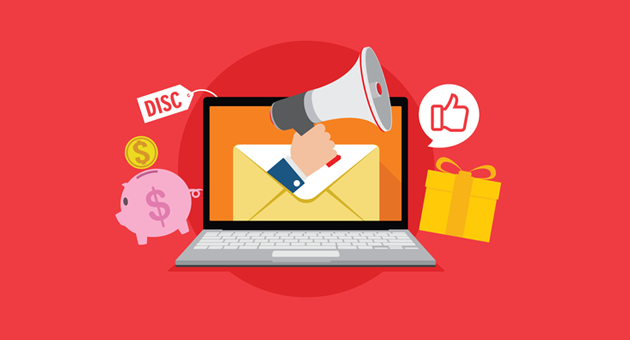
If we create an interesting newsletter that takes customers’ interests into account, it can be an opportunity to get closer to consumers, whether with special promotions, discount codes, launches, etc.
How to apply it?
Creating a marketing plan isn’t easy, but broadly speaking it consists of the following steps:
Analysis
The first thing we need to do is analyze our situation: what our strengths and weaknesses are, taking into account our current product volume, our revenue and the marketing channels available to us.
It’s also crucial to see what the competition is doing, analyzing their strengths and how they position themselves, so we can adapt our strategy and take advantage of their weaknesses.
Product
We need to know our product inside out and analyze it carefully: what problems does it solve for customers? What makes it different from the rest? What are its features?
It’s important to answer these questions as thoroughly and honestly as possible so we can improve our product and steer our strategy.
Price
The price at which we offer our products or services is a central component of the marketing strategy and its success. It must be a competitive price that positions us, but that also gives us enough profit for the company to grow.
Plan
After gathering all the information, it’s time to set our marketing strategy and plan how to execute it.
Depending on our product and the channels available, we’ll choose which of the marketing strategies described above to use, then draw up an action plan and take the steps needed to implement it. At this stage, it would be a good idea to have a specialist’s support to guide us.
Analyze and repeat
When our action plan is finished, we’ll check whether we’ve met the goals set in the first step and analyze as much data as possible to understand the results and make the necessary changes next time.
If the plan didn’t meet our expectations, we shouldn’t get discouraged, but analyze why and improve it next time.
Conclusion
As you can see, there are countless marketing strategies we can apply to achieve our goals, so many options that they can be overwhelming. That’s why the best thing is to stay informed and surround ourselves with professionals to plan together the strategy that works best for us.
To go deeper, this concept is part of digital marketing, the environment where most of these strategies take place today.