Commitment and consistency is an interesting psychological trait that affects people’s behavior and drives them to act in line with their thoughts and ideas about themselves or other topics, as well as with their past actions.
This commitment to their own self-image, and consistency with their past actions, can lead many people to keep up behaviors even when they see them as wrong.
Just to stay consistent with past actions.
Can we use this knowledge to sell more?
Yes, and quite well. In fact, you’ve seen plenty of examples of this throughout your life.
1) A first example of consistency: L’Oréal’s slogan
You’re sure to remember the famous slogan:
“L’Oréal, because you’re worth it”
At first glance it may seem like a simplistic slogan, but nothing could be further from the truth.
Think about it: who thinks they don’t deserve the best? Most people will agree with this slogan; few will think “well, actually I’m not worth it, I don’t deserve it”. So from the moment you think you deserve the best, you already agree with the brand. There’s already a connection.
And from there another association is created: that the best choice of products can be none other than L’Oréal’s.
Seen that way, it’s more interesting, isn’t it?

2) Another example of consistency: telemarketers
Another example you’ve very probably experienced too. The typical phone call from a salesperson selling phone or internet services.
Have you noticed that they always ask what you’re currently paying for those services?
There are several reasons for this, of course. On the one hand, it helps them gather statistical data to evaluate first-hand what their competitors are offering.
But on the other hand, it’s a way of predisposing you to their offer. Without them having to convince you too much.
When you tell them what you pay and they tell you the price of their offer, you can see for yourself which is less.
It’s something you’ve realized on your own; they don’t have to tell you. In this link we explain how you can sell to users who are about to go to your competitors.
What’s more, by saying the figure out loud
First of all, you’re giving up your negotiating advantage. Once the salesperson tells you the price, you yourself reason that their offer is cheaper, and then comes the salesperson’s question: so why do you like paying more?
For a great many people, the logical behavior is to save money. So in this situation they’d have put themselves in a position where their own logic tells them they’re wrong.
And to be consistent with their wishes and logic, they should take the cheaper offer. I’m not saying people will accept the offer like zombies just because of that, but it’s already a step won for the salesperson. The customer has to resist, and resist against their own logic. That’s harder and also wears down the customer’s position, since they have to resist against logic.
Phone companies know this, which is why defenses such as minimum contract periods exist.
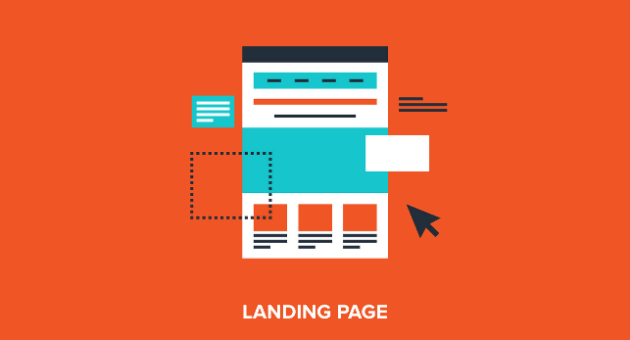
3) An example of using consistency on one of our own landing pages
I really like this example, for obvious reasons. Here it is:
Example of using commitment and consistency
Have you landed here after searching long and hard for a way to send your mailing for free?You’ve come to the right place:· Sign up for your account and you’ll be able to send up to 80,000 emails a month for free
· And manage a list of up to 20,000 contacts
Only here, nowhere else, however hard you look, only by signing up now below
In this case, the logic of consistency, of acting accordingly, tells us that if you’ve spent time and effort looking for something, looking for something you want, such as a free email marketing tool in this case, once you find it the natural thing is to sign up.
Not doing so goes against all logic.
That thought is reinforced by the words “nowhere else”, because that way visitors know that if they don’t accept the offer, they’ll have to keep spending time looking for an alternative, and they may well not find one. To do that, they also have to “fight” against their own consistency.
This feeling will grow the more time they’ve spent looking for the answer to their problem.

How can you easily use consistency in your newsletters?
It’s very easy to do, even with small, subtle messages that strengthen that feeling in your readers, which is why we recommend using a bulk email strategy to help you sell more.
For example, imagine you have a travel company. In your newsletter, you could use messages like the following to easily reinforce this feeling:
· This is for you if you like to travel in total comfort
· We’re offering you an attractive discount to go back to a place you already know you’ll enjoy
· Don’t like missing out on the best parts of your trips? Take a look at this content
· Would you like to plan your next visit to (city) in detail? We have some good suggestions
You use your knowledge of the market and of your customers’ tastes to show that you’re on the same wavelength, and at the same time take advantage of the consistency of human behavior to make negotiating easier. Here’s a post to help you find out how to sell more with your email newsletter.
Interesting, isn’t it?
Of course, there are still objections to resolve, so we’ll cover those and other topics in future content. If you’d like to receive more copywriting tips, subscribe to our newsletter using the form below.