
Marketing has evolved to adopt new strategies and approaches, and one of the most significant and effective is influencer marketing.
This method has gained prominence in recent years, transforming the way brands interact with their audience and promote their products and services.
Definition of influencer marketing
Influencer marketing is a digital marketing strategy that seeks to leverage the reach and credibility of influential people on social media and online platforms.
It is used to promote products, services or brand messages.
Influencers, as they are known, are individuals who have built a reputation and a significant following online.
That is why their audience values their opinions and recommendations.
In this context, influencer marketing serves as a bridge between brands and consumers, providing an authentic and personal way to communicate and promote.
A brief history and evolution
The concept of influencer marketing is not new.
Brands have used celebrities and influential people to endorse their products since the early 20th century.
However, with the advent of social media and digital platforms, the landscape has changed dramatically.
In the 2000s, with the rise of blogs and platforms like MySpace, users began to share their opinions and experiences about products and services.
This gave rise to the first influencers.
With the launch of Facebook in 2004, YouTube in 2005 and Twitter (now X) in 2006, digital influence gained new momentum.
More and more people had the opportunity to become influencers.
As a result, influencers came to cover a wide range of topics and niches.
In recent years, influencer marketing has grown exponentially.
Platforms like Instagram and TikTok are leading the way and opening up new opportunities for collaboration between brands and influencers.
The diversification and specialization of influencers have allowed brands to target specific audiences with more personalized messages.
The result is more effective and genuine marketing campaigns.

The importance of influencer marketing
Influencer marketing has emerged as a significant force in the world of digital marketing and plays a crucial role.
It shapes the way companies interact and connect with their consumers.
Its importance shows in many ways, mainly in its impact on purchase decisions and its relevance in today’s digital landscape.
👉 Impact on purchase decisions
Online opinion leaders have a significant influence on consumers’ purchase decisions.
Influencers have built relationships of trust with their followers, who value and respect their opinions and recommendations.
As a result, when an influencer endorses or recommends a product or service, their audience is more likely to consider it and buy it.
Several studies have confirmed that today’s consumers trust recommendations from real people more, including influencers, than traditional advertising.
This is because of the authenticity and transparency that influencers are perceived to offer compared with conventional ads.
In fact, ads are often perceived as impersonal and sales-driven.
👉 Relevance in today’s digital landscape
Influencer marketing is more relevant than ever.
The rise of social media and content platforms has provided fertile ground for online communities to grow and for relationships between influencers and followers to develop.
The ability to interact directly with influencers adds a level of personalization and engagement that is hard to achieve with other marketing methods.
In addition, the dynamic and visual nature of social media platforms makes content created by influencers more appealing and shareable, extending its reach and effectiveness.
At a time when consumers are constantly flooded with information and advertising, influencer marketing offers a more organic and credible way to capture their attention.

Types of influencers
It is crucial to recognize that not all influencers are the same.
They can be classified into different categories, each with its own follower base and level of influence.
The most common are: macro-influencers, micro-influencers, nano-influencers and celebrities.
Let’s take a quick look at the differences.
📌 Macro-influencers
Macro-influencers are people who have built up a significant number of followers, usually in the range of hundreds of thousands to millions.
They are often recognized as authorities in their fields and have considerable reach.
Brands seek collaborations with macro-influencers to gain broad exposure and strengthen their online presence.
However, collaborations with macro-influencers can be expensive, and sometimes they can lack a personal touch because of the size of their audience.
📌 Micro-influencers
Unlike macro-influencers, micro-influencers have a smaller number of followers.
Typically between ten thousand and one hundred thousand followers.
Despite their smaller reach, they tend to have higher engagement rates and closer, more personal relationships with their audience.
Micro-influencers are ideal for brands looking for authenticity and a more direct connection with specific audience segments.
They are especially effective for niche campaigns and can be more affordable for small and medium-sized businesses.
📌 Nano-influencers
Nano-influencers are the newest, emerging category in influencer marketing.
They usually have fewer than ten thousand followers, but their influence within their communities is considerable.
Nano-influencers offer an unmatched level of authenticity and personal connection.
This makes them excellent partners for brands looking to build authentic, lasting relationships with consumers.
Their direct engagement and credibility among their followers can drive significant results in terms of conversion and brand loyalty.
📌 Celebrities
Celebrities have been part of influencer marketing since before the digital era.
They are widely recognized people with followers numbering in the millions, spanning different demographics and market niches.
Working with celebrities can give brands instant visibility and recognition.
However, marketing campaigns with celebrities can be extremely expensive.
And, in some cases, they may lack the sense of sincerity and authenticity that other types of influencers provide.

Platforms for influencer marketing
Influencer marketing takes place on a variety of online platforms, each with unique features that shape the type of content that is shared.
Each platform also affects audience engagement and the impact of campaigns.
Let’s look at some of the most prominent platforms in the world of influencer marketing: Instagram, YouTube, TikTok, Twitter, Facebook and blogs.
Instagram is one of the most popular platforms for influencer marketing, thanks to its visual focus and its large user base.
It lets influencers share photos, videos and stories, offering many ways to create engaging, interactive content.
Brands value Instagram for its ability to showcase products and lifestyles through high-quality images and videos.
And, of course, for its high level of engagement, especially among younger audiences.
🎯 YouTube
YouTube is the leading video-sharing platform and, therefore, a key space for influencer marketing.
Influencers on YouTube, known as YouTubers, create a wide variety of content, from tutorials and reviews to vlogs and entertainment.
YouTube lets brands collaborate on long-form, detailed content, which is ideal for product demos and in-depth explanations.
Its video format is highly effective at getting messages across and connecting emotionally with the audience.
🎯 TikTok
TikTok has emerged as an innovative, fast-growing platform for influencer marketing.
Its unique format of short, creative videos has captured the attention of younger users.
TikTok is valued for its focus on creativity and self-expression, which lets brands and influencers collaborate on original, viral campaigns that resonate with Gen Z.
Twitter is an essential platform for online conversation and debate.
It is especially useful for influencer marketing related to news, events and current trends.
Influencers on Twitter can share opinions, information and links, interacting directly with their audience and sparking discussions.
For brands, Twitter offers a way to take part in relevant conversations and keep up with consumers’ opinions and needs.
Although Facebook has lost some of its dominance among younger audiences, it is still a vital platform for influencer marketing.
It has a diverse, global user base.
Facebook lets influencers share a variety of content, including text, images, videos and links.
Brands can benefit from Facebook’s wide reach and its advanced audience targeting and analytics tools.
🎯 Blogs
Blogs were one of the first platforms for influencer marketing and are still relevant today.
They let influencers create long-form, detailed content in the form of articles and reviews.
Blogs are ideal for sharing in-depth information about products and services.
Best of all, they offer a space for analysis and reflection.
Brands can work with bloggers to develop informative and educational content that adds value for consumers and strengthens their position in the market.
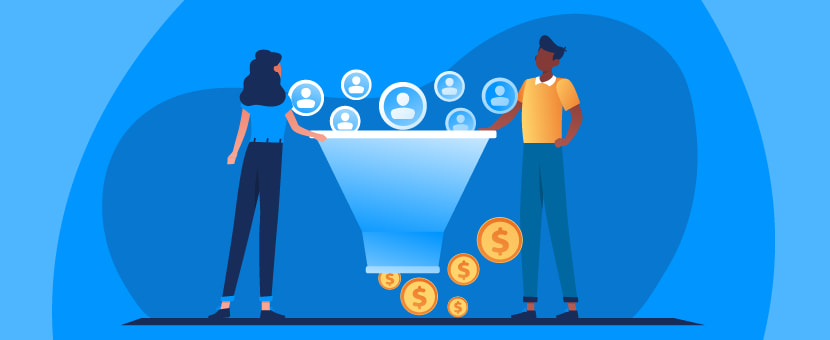
Strategies to take advantage of influencer marketing
Making the most of influencer marketing requires well-defined, well-executed strategies.
These strategies include identifying and selecting the right influencers.
From there, they involve creating authentic and relevant content, managing collaborations and sponsorships, and setting clear goals and metrics.
Let’s go over the most important points.
💡 Identifying and selecting influencers
A successful influencer marketing strategy starts with carefully identifying and selecting the most suitable influencers.
It is essential to choose influencers whose values, styles and audiences align with the brand and its goals.
Brands should do thorough research, considering factors such as engagement, authenticity and the relevance of the influencer’s content.
Using influencer analytics tools and platforms can make this process easier, helping brands find influencers who share their vision and values.
💡 Creating authentic and relevant content
Developing authentic and relevant content is key to the success of influencer marketing.
Content should be original and valuable, and it should resonate with the audience.
It is important for brands to work with influencers to create content that feels natural and genuine.
Above all, avoid overly promotional messages that could alienate the audience.
Staying consistent with the influencer’s tone and style is vital to maintaining credibility and building relationships of trust with consumers.
💡 Collaborations and sponsorships
Collaborations and sponsorships are essential for building mutually beneficial relationships between brands and influencers.
Agreements should be clear and transparent, with well-defined expectations and compensation.
It can be useful to build long-term relationships with influencers who share the brand’s values, creating strong, lasting partnerships.
Brands should respect influencers’ creativity and autonomy, letting them keep their unique voice and style while they promote products or services.
💡 Setting goals and metrics
Defining clear, measurable goals is essential to evaluate the success of any influencer marketing campaign.
These goals may include increasing brand awareness, generating engagement or driving conversions.
Once the goals are set, it is crucial to choose the right metrics to measure performance, such as impressions, clicks, interactions and sales.
Ongoing analysis and review of results allow brands to adjust their strategies and optimize the return on their influencer marketing investment.

Benefits and challenges
As a remarkably effective strategy in today’s digital landscape, influencer marketing presents both significant benefits and important challenges.
Let’s look at them below.
🔎 Advantages of influencer marketing
Influencer marketing offers brands many advantages.
First, it provides access to established, engaged audiences.
This allows brands to reach specific consumers effectively.
In addition, working with influencers can increase credibility and trust in the brand.
This is because consumers often value recommendations from people they follow and respect.
It also helps strengthen the brand’s reputation and build authentic relationships with consumers.
Finally, compared with other advertising methods, influencer marketing can deliver a significant ROI.
Especially when it is implemented strategically and the results are properly monitored.
🔎 Risks and considerations
However, influencer marketing also comes with risks and considerations.
One of the main risks is choosing an influencer who is not aligned with the brand’s values.
This can lead to ineffective campaigns or, in the worst case, damage the brand’s reputation.
In addition, influencers can get caught up in scandals or controversies that have a negative impact on the brands associated with them.
On the other hand, brands should consider market saturation and some consumers’ growing distrust of influencer marketing.
This underlines the importance of choosing authentic influencers and creating genuine, valuable content.
🔎 Measuring results and ROI
Measuring results and ROI is an essential part of influencer marketing.
Measuring results allows brands to evaluate the effectiveness of their campaigns and adjust their strategies accordingly.
It is essential to set clear metrics and specific goals from the start so you can properly analyze the campaign’s impact.
Metrics can include engagement, conversions, website traffic and sales, among others.
Brands should also evaluate ROI, taking into account all the costs and benefits associated with the campaign.
This allows them to optimize their influencer marketing investments and make informed decisions about future collaborations and strategies.
Conclusions and the future of influencer marketing
Influencer marketing has emerged as a key strategy in today’s digital landscape.
It allows brands to build trust and connect with audiences in a meaningful, authentic way.
Value alignment, authenticity and ongoing evaluation are essential to the success of campaigns.
Brands should prioritize these considerations when developing their influencer marketing strategies.
Looking ahead, influencer marketing will probably focus even more on building genuine, transparent relationships with audiences.
Evolving technology and the emergence of new platforms and formats will bring additional opportunities and challenges.
The brands that adapt and evolve with the digital landscape will be the ones that get the most out of this powerful marketing tool.

Jose Argudo
CMO at Mailrelay. Writes about email marketing, copywriting, and conversion for small businesses and entrepreneurs.