Have you had a newsletter for a while but seen your number of subscribers stall? Then keep reading this article!
If you have a newsletter, you already know it’s a very effective way to capture potential customers, and that the content you create for your subscribers must be high quality.
A newsletter is usually closely tied to a blog.
Before planning to send specific content to your subscribers, the ideal is to first define your blog content strategy.
It should be aligned with your ecommerce store, if it’s an online store’s blog.
It’s essential to be clear about what you’re going to say. Not only in your newsletter but also on your blog, so users know they can get quality content by subscribing.
Something like a teaser that shows only part of what they’ll get if they watch the whole movie.
In this article, we explain the keys to getting more subscribers to your newsletter by following an SEO strategy. Keep reading!
Define your value proposition
Before you start defining your newsletter’s strategy, you need to have decided what you want the value proposition of your content to be.
For example, let’s say you have a graphic design blog.
To start defining your value proposition, you need to know what you want your content to focus on: how to win clients, which tools or programs to use, how to create certain effects with a specific program…
What will your value proposition be? Explaining how the tools you use work, giving tips on how to get the most out of them, telling your users how to get them… are just a few examples. Your value proposition should be something “personal” and distinctive.
You need to create the content your readers need, identify users’ concerns and the reasons they might come to you if you offer them a solution. Once this step is clear and defined, let’s move on to the next one!

Do keyword research
Once you’ve defined your value proposition and know your target audience’s concerns, the next step is to do keyword research.
This keyword research will let you detect terms users search for that are linked to their search intent.
By optimizing your content and focusing it on what users are looking for, you’ll be able to reach them and get them to subscribe to your newsletter. By knowing your target audience, the searches they make and their concerns regarding your blog’s topic, you’ll have all the ingredients to carry out keyword research so they can find you.
If your blog is linked to an online store, you can write about problems your products solve.
You can do the same with your newsletter: create content that solves your users’ problems.
That way, if you announce on social media the solutions your newsletter offers, you can get subscribers who have that problem and need that information.
If your blog is simply informative, you can also put together a strategy to get more newsletter subscribers.
Let’s continue with the graphic design example. What content can you include in your newsletter that benefits your subscribers and isn’t so easy to access that they can find it without subscribing? What do your users need you to offer them in a newsletter to make them subscribe? If your target audience is students, or people who don’t know much about graphic design, they’ll need tutorials or simple explanations of how to find the resources to create different designs.
Create content for each search intent
Search intent is the result the user expects to find when they search on a search engine.
Users aren’t looking for the same information when they type “how to use the pen tool in Photoshop”, “best online Photoshop courses” or “buy Photoshop course”. They reflect different search intents.
As a content creator, for both your blog and your newsletter, you need to know your target’s search intents so you can target them by creating content for each one.
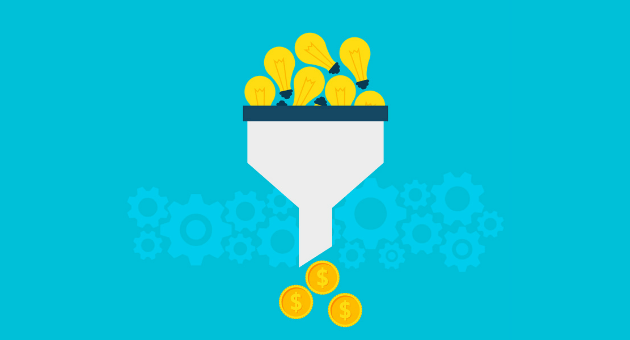
The user searching for “how to use the pen tool in Photoshop” is at the top of the funnel, which is related to informational content.
If they search for “best online Photoshop courses”, the search is commercial. The user is showing they want to learn Photoshop, but they’re still gathering information.
Finally, if a user types “buy Photoshop course” followed by your company’s name, the search is transactional.
Ideally, you should have content for each search intent. You can have content focused on solving specific problems with graphic design tools, lists of different courses or webinars that teach how to use those programs and, finally, landing pages where your users can complete the transaction.
The search intents this content targets are at different stages of the sales funnel: not all users who search for how to use the pen tool in Photoshop will end up completing the transaction.
Include CTAs throughout that content
Calls to action, or CTAs, are the buttons that let the user take the action you want.
In the case of a newsletter, the button should lead to the form the user has to fill in to subscribe.
This button should be spread throughout the blog content to increase the chances that visitors leave their email address. The CTA shouldn’t be too repetitive, but it shouldn’t go unnoticed either. Include it as much as possible without users feeling it’s being overused.
It’s a good idea for the CTA to be original, so your button doesn’t just say “subscribe”. If you manage to stand out, users can tell you’re going to offer them different information that benefits them in some way.
When adding these calls to action throughout the content, do it at the right moment.
If your blog article explains how to remove the background from an image with a certain program, don’t ask users to subscribe, because you’re already giving them the information they’re looking for.
However, if your blog is covering tools you can use to remove the background from an image, you can offer a longer list to those who subscribe to the newsletter and work on it to send in the next issue.
Other tips
Here are some other tips that may help your newsletter get more subscribers with SEO. Here we go!
Reuse your newsletter content
Another good way to get subscribers is to publish your newsletter content on your blog some time after sending it.
Your blog users will be able to see first-hand the quality of the exclusive content you send to your subscriber list, and you’ll get them to subscribe if that content really interests them.
In our example, if that list of tools for removing the background from an image is a recurring search intent, you can use it to attract users to your blog.
They’ll find the CTA in the content and can choose whether or not to subscribe, depending on how useful they found the content.
This isn’t an exact science, so don’t worry if you don’t get more subscribers by reusing your content. Remember that there are other resources that can give you the results you’re hoping for.
In short, working on your newsletter content is just as important as working on your blog content. One helps attract subscribers and the other keep them.
Customize your 404 error page
There are always some visitors who end up on a 404 error page.
You may have deleted some old posts from your blog, someone may have linked to you incorrectly, or you may even have decided to change a URL slug.
So we recommend using that opportunity to attract more users to your newsletter.
How? With a 404 error page where you include the subscribe button.
It’s a very useful tool, since you’re letting users know they’ll find in your newsletter the content they can’t find on your blog.

Conclusion
Creating a newsletter may seem simple, but it isn’t quite: it’s not just a matter of sitting down and writing.
For your newsletter to work, you need to have planned a strategy in detail.
Your strategy should include what you want to and can offer your target audience, the search intents that will bring them to you and the terms they’ll type into the search engine to find you.
By following these tips, you’ll have managed to structure and plan your newsletter around your users’ needs. That will make it easier for them to decide to give you their details so you can send them your articles.
Remember: what matters most isn’t your content, but your readers.
Complement this strategy with a good lead magnet that encourages new subscribers to sign up from your SEO content.