We know that marketing is a set of strategies implemented to optimize the marketing of products. But nowadays, access to countless amounts of data about users and potential customers has substantially changed the way marketing is carried out, not only in the present but looking ahead to the future, making it necessary to analyze that data to ensure success.
Digital marketing plays a key and unavoidable role in marketing in the 21st century, and Big Data and Data Science are tools that can’t be missing from any strategy that aims to thrive.
But, is Big Data the same as Data Science? They’re not the same, but they’re indispensable to each other and also to digital marketing.
In this Mailrelay post, we’re going to give you a basic yet useful introduction to data science and its uses for your digital marketing strategy.
► Crea tu cuenta gratuita ahora:
Con la cuenta gratuita de Mailrelay podrás enviar hasta 80.000 emails al mes a una lista de hasta 20.000 contactos. ¿No estarás pagando por algo parecido verdad? Crea tu cuenta aquí.
What is Data Science and how does it differ from Big Data?
First, let’s talk about Big Data, which is the first link in the interesting and complex world of data.
Big Data, as its name suggests, is a large volume of data that can include images, audio, video, social media, emails, websites, transactions, records, web traffic analysis, or XML files, among others.
This group of data can come from different actions taken by digital users, such as visiting a website, following a social network, downloading files, listening to a podcast, filling out a form, among many other things that leave a record in the digital environment and get stored.
But of course, that raw data, just as Big Data provides it to us, wouldn’t be of much use on its own. This is where Data Science comes in to analyze and process that data and give it value.

Data Science is a multidisciplinary science that draws on different resources from statistics, computing, mathematics, and marketing to analyze, interpret, and prioritize the data obtained. Based on that analysis, the goal is to generate efficient and successful digital marketing strategies, based on objective data and predictive models.
Data Science experts draw conclusions from all that work and, by predicting user behavior, give companies the tools and solutions to make the right decisions, increasing profits and reducing costs.
So from this we understand that Data Science emerges from and is part of Big Data, but Big Data without Data Science would make no sense.
9 applications of Data Science in digital marketing
We can say, then, that data science can be very useful for digital marketing, but let’s take a concrete look at how it could help us in our marketing strategy.
SEO
It analyzes and helps understand ranking algorithms by detecting publication patterns.
Ads
They help structure ads and precisely define where to advertise and which audience to target. It does this by analyzing the target audience that actually views and interacts with a certain type of ad.
This way, we can also, for example, structure different types of ads for our products depending on the audience viewing each channel where we publish, which will optimize the expected result.
Email Marketing
It’s used to differentiate and prioritize our email’s target audience, so that each person can receive relevant content at the right time.
For example, it detects a customer’s interactions with a website’s products and sends them ads related to the products they interacted with. It also detects consumption patterns based on interactions over time, offering the right products at the right time.
We can also define how often emails should be sent and at what time of day.
Based on this, we’ll be able to optimize our email marketing campaigns.
Other articles you might be interested in:
Content marketing
It will help us identify the right content so we can invest our time correctly, depending on the audience we’re targeting.
For example, by analyzing users’ searches, we can define keywords to use in our content, in order to attract our target audience and earn their engagement with our brand.
Dynamic Pricing

Factors that have always been analyzed to set prices, such as product cost, expected margins, competitor pricing, supply and demand, among others, are complemented with other more specific data such as customer behavior, the brand positioning we’re aiming for, and real-time market behavior, to improve our price estimates and adapt them to the context.
This way we’ll maximize our profit, since we take into account factors that keep changing in the market and how they affect prices, allowing us to adapt our strategy as much as possible so we don’t miss any opportunity.
Lead Scoring
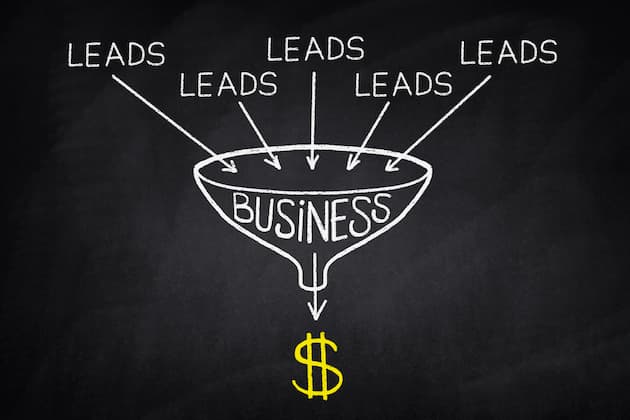
It analyzes factors such as the quantity and quality of users’ interactions with our published content, interaction with our social media, and past behavior with our content. Based on that, it defines predictive algorithms that let us score our leads depending on how likely they are to become our customers.
This will help us determine how many resources we can spend depending on the lead our action is aimed at, prioritizing the most profitable leads.
Buyer Personas

We can build user profiles and create different types of buyer personas depending on user behavior in each channel they interact with and when they interact.
This way, different groups of ideal customers who share certain qualities when it comes to consuming can be generated.
Budget
It generates predictive models based on spending patterns to help optimize our budget as much as possible.
These models will let you better define the distribution of your budget depending on the profitability of, for example, a certain distribution channel or a certain marketing campaign.
Improve the Customer Experience
Based on the analysis of customer behavior in response to certain digital marketing stimuli, we can identify customer preferences. For example, determining whether an email marketing campaign with certain characteristics is the right type of campaign for that customer, or whether it would be better to contact them through social media.
That will let the customer have a better experience with our brand, which is optimal for lead conversion, as well as for building customer engagement with our brand — not only building their loyalty, but also leading to possible future recommendations.

Related posts:
- Psychological Triggers: The Science of Persuasion to Skyrocket Your Sales
- Creative Banners: How to Attract Subscribers with Them
- Writing a cold sales email: how to break the ice
- The Perfect Landing Page: Structure and Examples
- Landing Page: Create Registration Pages Easily
Conclusion

We’ve seen, then, that if we want to optimize the results of our digital marketing strategy, it’s essential to include Data Science in our plans.
Broadly speaking, data analysis can help us:
● Detect market trends.
● Make decisions based on objective criteria, understanding patterns of how those decisions will have an impact.
● Develop digital marketing strategies over time, personalized for each type of customer and context.
● Avoid missed opportunities and optimize profit.
● Adjust our future offering based on the analysis of market patterns, adapting it to customers’ varying needs.
Although its beginnings go back just a few years, it’s clear that Data Science is the present and future of digital marketing.
If you haven’t done it yet, what are you waiting for to optimize your digital marketing strategy by implementing Data Science?
These techniques are closely related to Data Mining, and both benefit from good marketing data integration (MDI) before being analyzed.