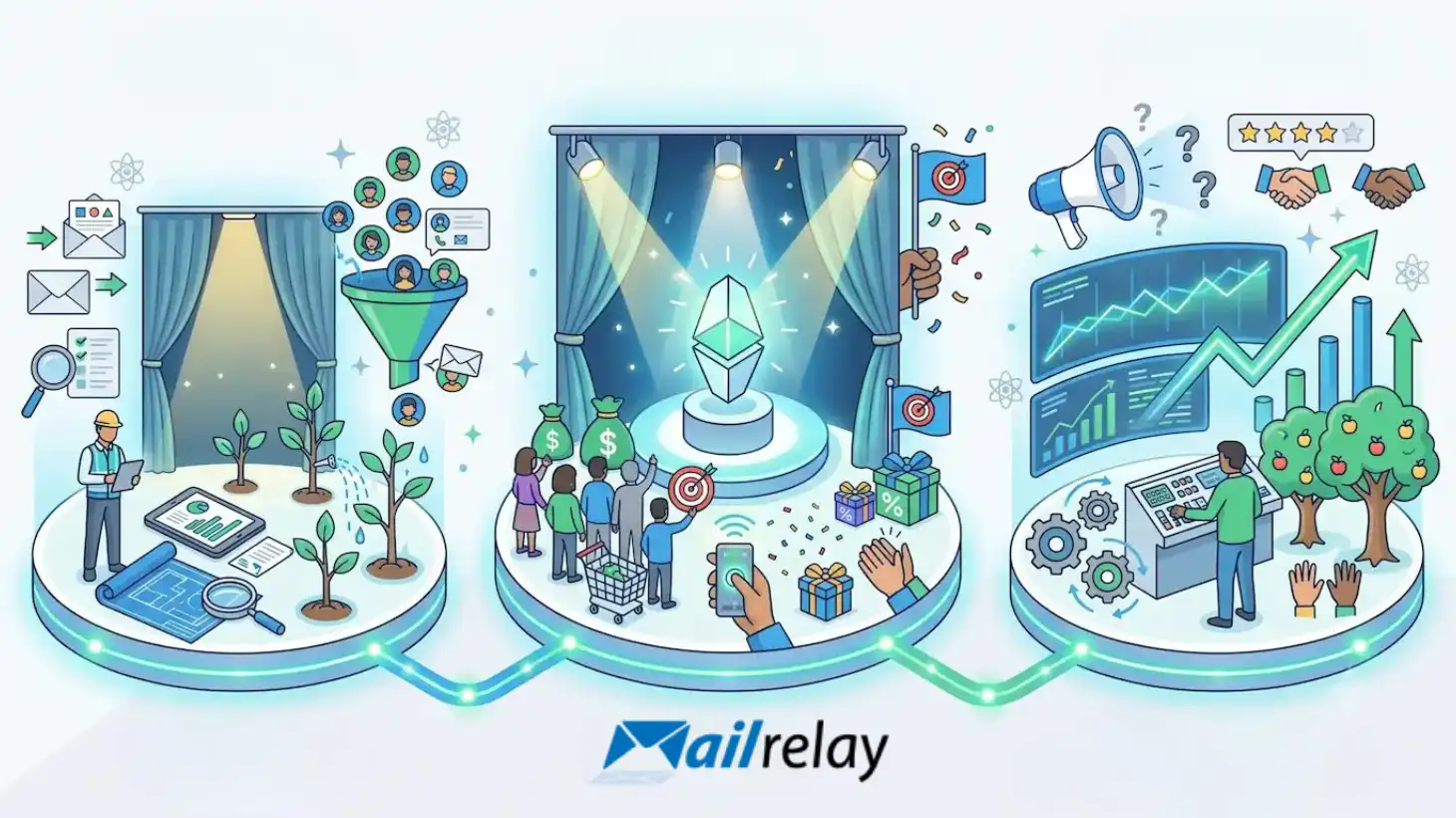
Launching a product isn’t just about putting it on sale and waiting for someone to buy it.
A good product launch is a complete strategy that starts long before the official release date and continues after the first sales.
The goal isn’t just to show something new. The objective is to generate interest, build anticipation, effectively communicate the product’s value, and help the right people understand why they should buy it.
It doesn’t matter if it’s a physical product, software, a course, a new feature, a collection, or a service. If the launch isn’t well planned, the product might go unnoticed, even if it’s great.
In this guide, we’ll cover what a product launch is, the phases you should follow, the different types, common mistakes to avoid, and how to use email marketing to support the entire process.
What Is a Product Launch?
A product launch is the process through which a company introduces a new solution to the market with the aim of generating attention, interest, sales and positioning.
It isn’t just about the day the product goes live on your website or hits the stores. A launch includes all the pre-launch activities, the official presentation, and the follow-up.
For example, before the launch, you can conduct market research, create a waitlist, send teaser emails, test the product with real users, or prepare content to explain its benefits.
During the launch, you can activate promotions, ad campaigns, events, presentations, collaborations, or influencer marketing campaigns.
And after the launch comes an equally important part: measuring results, collecting feedback, answering questions, optimizing the product, and keeping the conversation going.
The idea is simple: a well-executed launch turns a novelty into a business opportunity.
Goals of a Product Launch
The most obvious goal of a launch is usually to sell. However, reducing it just to sales falls short.
A successful product launch also serves to position the brand, validate market interest, capture leads, strengthen relationships with existing customers, and generate buzz around the new release.
Before planning any activities, you should define exactly what you want to achieve. Launching a product for immediate sales isn’t the same as doing it to validate an idea, get sign-ups, or enter a new market.
Some common goals include:
- Raise awareness of the product: make sure your target audience knows it exists and understands what problem it solves.
- Build anticipation: create interest before the product is available.
- Capture leads: build a base of interested contacts you can sell to later.
- Boost initial sales: take advantage of the moment of greatest attention to generate the first purchases.
- Position the brand: reinforce an image of innovation, specialization or authority.
- Validate the market: check whether the offer, the price and the message connect with the audience.
- Build loyalty among existing customers: offer them early access, exclusive benefits or relevant news.
- Get feedback: collect real opinions to improve the product after the launch.
When your goal is clear, it’s much easier to choose the right channels, messaging, budget, and metrics.
What Are the 4 Ps of a Product Launch?
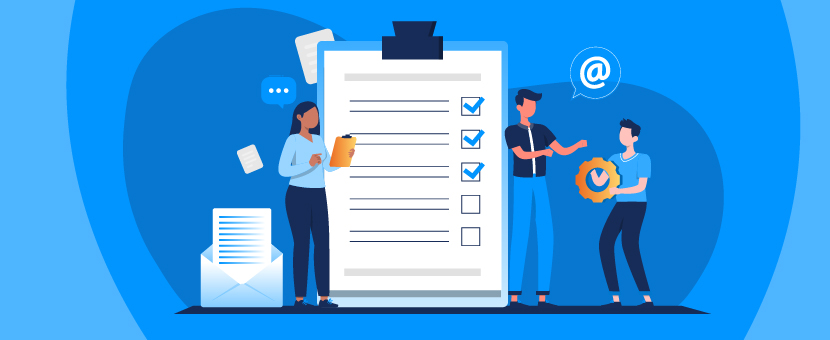
The 4 Ps of marketing are also incredibly useful when preparing a product launch: product, price, place, and promotion.
These aren’t theoretical concepts. They are practical decisions that directly impact the success of your launch.
Product refers to what you’re going to launch and the value it provides. Before communicating it, you need to be clear about what problem it solves, what sets it apart and why someone should choose it over other options.
Price defines how much the customer will pay and how that price is perceived. For a launch, you can opt for a special price, a presale, a limited-time discount, an exclusive bundle or an offer for the first buyers.
Place refers to where it can be bought or signed up for. It could be an online store, a landing page, a marketplace, a physical store, a sales call, an event or a combination of several channels.
Promotion includes all the actions you’ll use to make it known: email marketing, social media, ads, SEO, influencers, events, webinars, press or partnerships.
If one of these pieces fails, the launch can lose momentum. You might have a great product, but if the pricing isn’t clear, the landing page doesn’t convert, or the promotion doesn’t reach the right audience, the results will be limited.
Types of Product Launches You Can Run
Not all launches have to be massive or require huge budgets.
The type of launch will depend on the product, the market, the company’s current stage, and the available resources.
Soft Launch
A soft launch involves introducing the product to a small segment of the market before rolling it out on a large scale.
It’s highly useful when you want to validate audience response, spot issues, test logistics, or gather feedback before scaling up.
For example, an app might be launched in just one city first. An ecommerce store might offer a new product only to loyal customers. Or a company might test a new feature with a small group of users.
The advantage is that you reduce risks. If something doesn’t work, you can fix it before investing in a major campaign.
Minimal Launch
A minimal launch aims to bring the product to market using only the essential resources.
There’s no massive campaign, big event, or huge investment. A simple version of the launch is used to test if there’s real interest.
This type of launch can work extremely well for entrepreneurs, small businesses, or products that still need market validation.
For instance, you can set up a landing page, an email sequence, an organic social media campaign, and a limited-time offer for early adopters.
The key is keeping it simple. The goal is to learn quickly, sell enough to validate the idea, and improve based on real data.
Full-Scale Launch
A full-scale launch aims to achieve wide reach from day one.
It usually includes ad campaigns, email marketing, events, collaborations, influencers, content marketing, PR, promotions, and coordinated efforts across multiple channels.
It’s common for established brands, high-investment products, ecommerce stores with large databases, or companies wanting to make a strong entry into a market.
This type of launch can generate a huge impact, but it also requires more planning. You need to fully prepare the product, messaging, customer support, logistics, and follow-up.
If you’re going to attract a lot of attention, you must be ready to respond.
Phases of a Successful Product Launch
An effective product launch is usually divided into three main phases: pre-launch, launch, and post-launch.
Each phase serves a different purpose. The pre-launch sets the stage, the launch focuses attention, and the post-launch maintains the momentum.
Pre-Launch Phase
The pre-launch phase covers everything you do before officially introducing the product.
It’s a crucial stage because it allows you to build anticipation, validate your offering, prepare your channels, and build an interested audience.
Launching without a pre-launch is like opening a store without telling anyone.
Market Research
Before launching, you need to understand the market.
This involves analyzing your ideal customer, studying the competition, reviewing pricing, identifying objections, and testing which messages might perform best.
It isn’t about guessing. It’s about making informed decisions.
You can use surveys, interviews, search analytics, social media comments, existing customer data, or real user testing.
Market research helps you answer questions like:
- What problem does the product solve?
- Who really needs it?
- What alternatives are out there?
- What objections might the customer have?
- Which benefits should be communicated first?
- What price point will the market accept?
- What channels does the target audience use?
The better you understand the customer before launching, the more precise your messaging will be.
Build Anticipation
Once your value proposition is clear, start building anticipation.
The goal isn’t to sell just yet, but to prepare the audience so they pay attention when the time comes.
You can do this with teaser content, waitlists, pre-launch emails, ads, social media posts, countdowns, sneak peeks, or early access for select customers.
Email marketing is particularly useful in this phase because it allows you to build a database of interested contacts before launch day.
For example, you can create a landing page with a form and offer priority access, an early-bird discount, or exclusive content to those who sign up.
That way, when launch day arrives, you aren’t starting from scratch. You already have an eager audience.
Testing and Validation
Before launching on a large scale, it’s a good idea to test.
Testing can be done with current customers, beta testers, internal teams, focus groups, or a small segment of interested people.
The goal is to spot bugs, ensure the product is easily understood, validate the value proposition, and collect real feedback.
This phase can help you avoid a lot of problems.
Sometimes the product is good, but the messaging isn’t clear. Or the pricing creates doubts. Or the sales page doesn’t answer the most critical questions. Or the buying experience has friction.
Testing before you launch allows you to fix things before the entire market sees your product.
Launch Phase
The launch phase is when you officially introduce the product.
This is where the most visible actions happen: campaigns, emails, posts, events, promotions, ads, and sales messages.
The goal is to turn that initial anticipation into attention, traffic, sign-ups, conversations, and sales.
Events and Presentations
A launch event can be in-person, online, or hybrid.
Not every product needs a massive event, but they do need a clear presentation. This could be a webinar, a live stream, a demo, a customer day, a media briefing, a trade show, or an exclusive session for subscribers.
What matters is that the event helps explain the product’s value.
It shouldn’t just be a list of features. It needs to show why it exists, what problem it solves, how it’s used, and the transformation it offers the customer.
For highly visual or experiential products, a live demo can be far more powerful than a lengthy explanation.
Promotions
Launch promotions help incentivize action in the early days.
These can include discounts, early access, free gifts, special bundles, free shipping, bonuses, limited spots, or exclusive pricing for early adopters.
The trick is using the promotion as an incentive, not as the only reason to buy.
If your entire message revolves around a discount, you might weaken the perceived value of the product. The promotion should reinforce an already attractive offer.
Some promotional ideas include:
- Special launch pricing.
- Early bird discounts.
- Exclusive bonus for the first 48 hours.
- Early access for subscribers.
- Product + add-on bundle.
- Free shipping during launch week.
Urgency works best when it’s real, clear, and believable.
Partnerships
Partnerships can multiply your launch’s reach.
You can collaborate with influencers, complementary brands, affiliates, media outlets, distributors, partners, or industry professionals.
The key is choosing partners who share your target audience but don’t compete directly with you.
For instance, a cosmetics brand can partner with beauty content creators. A software company can host a webinar with a specialized consultant. An ecommerce store can launch a collection alongside a complementary brand.
Partnerships bring reach, trust, and external validation.
But they must be well-coordinated. Every partner needs to understand the messaging, dates, links, terms, and the campaign’s goals.
Post-Launch Phase
The launch doesn’t end when the product hits the market.
In fact, this is where many companies fail. They prepare exceptionally well for launch day, but then they stop communicating, ignore metrics, and fail to follow up with early customers.
The post-launch phase is meant to maintain momentum, improve the product, and turn those initial sales into sustained growth.
Gathering Feedback
Early adopters are a highly valuable source of information.
They can help you spot questions, bugs, potential improvements, objections, or unexpected use cases for your product.
You can gather feedback through surveys, post-purchase emails, calls, forms, reviews, social media comments, or customer support conversations.
Some helpful questions include:
- What made you buy?
- What doubts did you have before buying?
- What would you improve about the product?
- Which part has been the most useful to you?
- Would you recommend the product?
- What information did you feel was missing?
This feedback isn’t just for making improvements. It can also be turned into testimonials, case studies, FAQs, and content for future campaigns.
Support and Optimization
After the launch, it’s normal for questions to arise.
Customers might ask about product usage, warranties, shipping, access, setup, compatibility, or terms.
Great customer support during this phase can mean the difference between a one-time sale and a satisfied customer.
Additionally, you should optimize any touchpoints that caused friction. The landing page might need more details, the emails could be clearer, or the post-purchase sequence might need to explain the next steps better.
Post-launch isn’t just about following up. It’s about continuous improvement.
Tracking Metrics
Measuring is essential to know if your launch was successful.
Looking at total sales isn’t enough. You should also analyze which channels performed best, which messages converted, which emails got the most clicks, or where users dropped off.
Some key metrics include:
- Landing page traffic.
- Waitlist sign-ups.
- Email open rates.
- Campaign clicks.
- Initial sales.
- Conversion rates.
- Cost per lead.
- Cost per acquisition.
- Revenue generated.
- Refunds or returns.
- Customer feedback.
- Repurchase or retention rates.
These metrics will help you improve your current product and better prepare for your next launch.

Best Product Launch Strategies
There is no single strategy that works for every product.
The best approach will depend on your audience, budget, sales channels, product type, and goals.
Even so, there are some tactics that tend to work exceptionally well across many launches.
One of the most important is creating a waitlist. It lets you capture interested leads before the launch and reach out via email when the time comes.
Creating educational content also works incredibly well. If the product solves a problem, explain that problem before you try to sell. This helps the user better understand why they need your solution.
Another useful strategy is a presale. It helps validate interest, generate early revenue, and reward early adopters.
Collaborations can also help you tap into new audiences. You can leverage influencers, partners, affiliates, or complementary brands.
And, of course, email marketing is one of the most critical channels. It allows you to guide the user through the entire journey: anticipation, the official announcement, reminders, promo closing, and post-launch follow-up.
Recommended strategies:
- Create a waitlist before launching.
- Send a pre-launch email sequence.
- Publish educational content about the problem your product solves.
- Offer early access to existing customers or subscribers.
- Run a presale with special terms.
- Use limited-time promotions.
- Activate remarketing campaigns.
- Collaborate with influencers or partners.
- Host a webinar, demo, or launch event.
- Collect testimonials from early users.
- Keep a post-purchase sequence running.
The key is not to rely on just one tactic. A launch works best when all your channels support each other.
Benefits of a Well-Executed Launch
A great launch can mean the difference between a product that goes unnoticed and one that hits the ground running.
The first benefit is that it grabs attention. In a crowded market, you need a reason for your audience to look at your product at a specific moment.
It also helps boost initial sales. If you’ve built up anticipation successfully, launch day doesn’t start from zero. You already have an audience that is interested, informed, and ready to make a decision.
Brand positioning is another major advantage. A well-communicated launch can reinforce your brand’s image as innovative, specialized, or customer-centric.
Additionally, it allows you to collect highly valuable data. Early market interactions help you understand which messages resonate, what questions arise, and what elements need improvement.
Main benefits:
- Increases product visibility.
- Generates anticipation and buzz.
- Drives sales right from the start.
- Strengthens brand positioning.
- Helps capture qualified leads.
- Allows you to validate genuine market interest.
- Makes it easier to gather feedback.
- Improves relationships with existing customers.
- Creates content and testimonials for future campaigns.
A good launch doesn’t just sell. It also builds trust.
Common Product Launch Mistakes
One of the most frequent mistakes is launching too soon.
Sometimes, companies rush to market without properly validating the product, messaging, pricing, or sales page. This usually results in a low-converting campaign and a lot of user confusion.
Another common mistake is focusing entirely on launch day. In reality, the work starts well before and continues long after. Without a pre-launch, there’s no anticipation. Without a post-launch, interest fades quickly.
It’s also common to communicate too many features and too few benefits. Customers don’t buy a product just because it has a lot of features; they buy it because they understand how it helps them.
Mistakes you should avoid:
- Launching without market research.
- Not setting clear goals.
- Not fully understanding the target audience.
- Communicating features without explaining the benefits.
- Failing to build pre-launch anticipation.
- Not capturing leads before launching.
- Relying solely on social media.
- Not setting up follow-up emails.
- Failing to measure results.
- Not properly answering questions after the purchase.
- Not gathering feedback.
- Abandoning communication after launch day.
A product launch demands coordination. If every tactic operates in a silo, the impact is diluted.
Other articles that may interest you:
- Formal Email: How to Write One? Guide and Examples
- Opt-in and Double Opt-in: What Are They and What Are They For?
- Email Clients: Which One to Choose? The best ones separated by platforms
- Welcome Email: Everything You Need to Know
- Emojis for Emails and Newsletters: How to Add Them?
The Best Platform for a Product Launch
To launch a product successfully, you need channels that let you capture attention, build trust, and maintain a relationship with interested users.
Social media can help you gain visibility. Ads can accelerate your reach. A landing page can explain your offer. But email marketing is one of the most vital channels for coordinating the entire process.
Why?
Because it allows you to communicate directly with people who have already shown interest.
During the pre-launch, you can capture emails with a waitlist. During the launch, you can send out the official announcement, promos, reminders, and objection-handling emails. And post-launch, you can share product guides, surveys, testimonials, or recommendations.
A great platform for a product launch should let you:
- Create and manage contact lists.
- Segment users based on interest.
- Send email marketing campaigns.
- Automate email sequences.
- Track opens and clicks.
- Manage unsubscribes properly.
- Keep your database organized.
- Scale campaigns effortlessly.
Mailrelay fits this process very well because it allows you to send email marketing campaigns, newsletters, and automations to support every phase of your launch.
Plus, you can use it whether you’re setting up a small presale or running a larger campaign with thousands of contacts.
The key is not relying solely on a user seeing a social post or an ad. If you have their email and permission to contact them, you can guide them through the entire process.
Mailrelay: Up to 80,000 Free Emails for Your 360 Digital Marketing Campaigns
A product launch demands attention, strategy, and follow-up.
You can generate buzz on social media, drive traffic with ads, host events, or prepare a landing page. But if you don’t have a way to stay in touch with interested people, many opportunities will be lost.
With Mailrelay, you can create email marketing campaigns for every phase of a product launch.
You can send pre-launch emails, announce the official release, send promo reminders, segment your contacts, measure results, and keep communicating after those first sales.
Plus, you can get started for free.
With Mailrelay you get:
- Up to 80,000 free emails per month.
- Up to 20,000 contacts.
- No credit card required.
- Contact segmentation.
- Automations.
- Campaign statistics.
- Specialized technical support.
This way, you can prepare a solid foundation for your product launch and maintain communication before, during, and after the big day.
Because launching a product isn’t just about presenting it.
It’s about creating the right moment, reaching the right audience, and guiding the customer all the way to the purchase.

Jose Argudo
CMO at Mailrelay. Writes about email marketing, copywriting, and conversion for small businesses and entrepreneurs.