When you create a new brand, there are some fundamental elements you need to define, such as the company’s mission, vision and values. But you also need an attractive logo and a catchy slogan.
Of all of them, these last two are what people tend to remember about a company in the long run: the logo for obvious reasons, since it’s the brand’s image.
The slogan, meanwhile, is one of the most appealing elements and can become a brand’s main weapon in its advertising campaigns.
Leaving the logo aside, in this article I want to talk about why slogans matter, because they aren’t just a phrase a brand comes up with for no reason.
Not at all. In fact, a slogan has a strong impact on most of a brand’s activities, especially its advertising and marketing campaigns (have you tried using yours in your newsletter subject lines?). And while we’re at it, here at Mailrelay I’ll also show you some well-known examples that perfectly prove how important a good slogan is.
· What is a slogan?
Dictionaries usually define a slogan along these lines:
“A short, memorable phrase used in advertising, political campaigns, etc.”
But that doesn’t really tell us much. Yes, it’s a short, original phrase often used in ad campaigns, events or even political messaging, but that definition doesn’t explain the whole concept, so let me add a little more.
A slogan can be a short phrase, even just three or four words, that represents the company or brand: its ideals, mission, vision and so on.
A slogan can also be seen as a short argument for the company’s benefits, defining its brand and complementing the logo.
In Spanish, the word is an adaptation of the English “slogan”, and both forms are widely used to refer to a company’s tagline.
Fun fact: the word “slogan” comes from Scottish Gaelic and means “battle cry”.
Bring your slogan to the inbox
Use your slogan in your newsletter subject lines and headers and strengthen your brand with every send. Mailrelay’s free account includes up to 80,000 emails a month.
Discover Mailrelay
· What makes a good slogan?
There’s no exact formula for creating a slogan, although there are regulations that work more like ethical guardrails.
Ethics aside, a good slogan needs to be eye-catching and powerful, easy to remember and, more importantly, easy to associate with a specific company.
That’s exactly why slogans are usually short, since short messages are much easier to remember than long sentences, unless the message is so powerful that it sticks in people’s memory regardless of its length.
Later on, I’ll show you several slogan examples so you get a clearer idea of what these taglines look like.
· Why is a slogan important in your digital marketing strategy?
Now that you know what a slogan is, let’s talk about why it matters in your digital marketing strategy, which is much more than you might think at first.
● It helps define your brand identity
Brand identity is key to marketing. It’s built from different elements, and one of them is the company’s slogan or tagline, as important as its mission, vision and logo.
A slogan will help you define your brand identity and, even more importantly, show your customers what your brand means to you and what you’re aiming for with it.
In this respect, it’s as important as the logo.
● It boosts the impact of your ad campaigns
One reason this kind of short text is so important in a digital marketing strategy is that it can boost the impact your ad campaigns have on your audience.
Creative banners, ads, videos and even audio will have more impact and better results just by adding a good slogan.
● It improves brand recognition
When we walk down the street and see a famous logo like McDonald’s or Nike, we recognize the brand instantly, and the same happens with slogans: Nike’s “Just do it” and McDonald’s “I’m lovin’ it” are two of the most recognized phrases in the world, and everyone associates them with these brands.
That’s why a powerful slogan can increase your brand’s recognition: people will recognize your brand from a single phrase.

● It helps build customer loyalty
Closely related to brand identity and recognition is customer loyalty.
People who connect with your brand identity, or simply recognize it, are more likely to become loyal customers.
What’s more, a good slogan can influence people’s decisions: phrases we remember fondly or that made an impact at some point in our lives can make a customer choose your brand over a competitor.
● It extends your brand’s reach
A powerful slogan usually ends up being shared by the public. How many times have you heard about a creative slogan that made an impression on a friend or relative?
Building on that, a good slogan can reach many people through word of mouth and through those who share your ads or content simply because they liked your tagline.
A slogan works great on social media. On X (formerly Twitter), for example, with a good branding and social media strategy, your slogan could become a great hashtag to help your posts go viral.
And on other networks such as Instagram or Facebook, your slogan will help your content get a better response if you use it well.
● It helps stir emotions in your audience
We all know Coca-Cola and its legendary marketing campaigns, and its slogan is precisely one of the things that makes an impact on its audience.
A good slogan can stir emotions in people, and feelings and emotions are among the factors that most influence how people perceive brands. So if you manage to stir emotions in your audience, you’ll be winning points for the next time they’re torn between buying from you or your competitors.
The 10 most famous and creative slogans: do you know them all?
To wrap up, I want to show you some examples of the best slogans out there, the best-known and most creative.
And while we’re at it, I’ll briefly explain what each one is trying to achieve.
1. “I’m lovin’ it”, McDonald’s
Let’s start with the world’s biggest and most famous fast-food chain. Simple and long-lasting (it has been used since 2003), McDonald’s “I’m lovin’ it” is a clear example of how to reach your target audience with your slogan.
Why do people go to McDonald’s? To enjoy a tasty burger.
Whether you like it or not is up to you, but objectively its customers love the taste of its food and how easy it is to get, and that’s why “I’m lovin’ it” connects so well with them: it’s the feeling they have toward the chain, and that connection is exactly what keeps people loyal to the company.
Something similar happens with Apple, which we’ll see a little later.
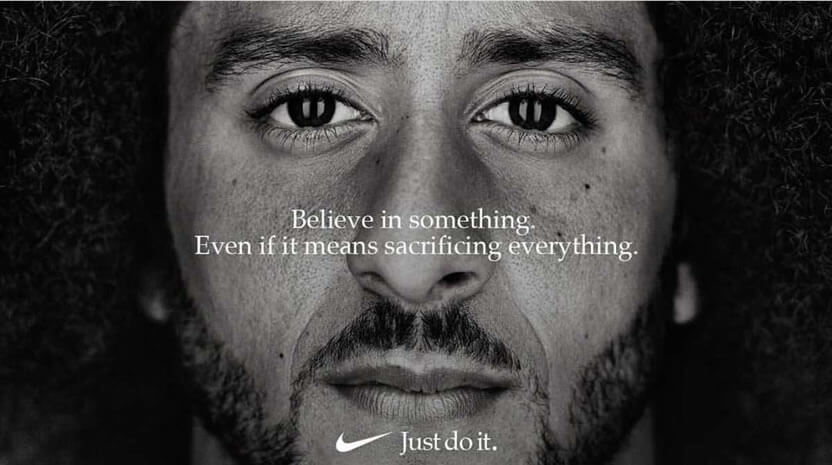
2. “Just do it”, Nike
There’s little to say about Nike’s famous “Just do it”. In the West, few people don’t know its most famous slogan: its banner, a source of inspiration and of memes alike.
It speaks to people who want to push themselves, who go all out and chase their dreams, who get inspired and, when faced with a challenge, just do it.
It’s one of the best slogans ever, and with good reason: since 1988, it has gone from being a sportswear brand’s slogan to an attitude, a challenging mindset of not stopping at anything and chasing your dreams. Just do it.
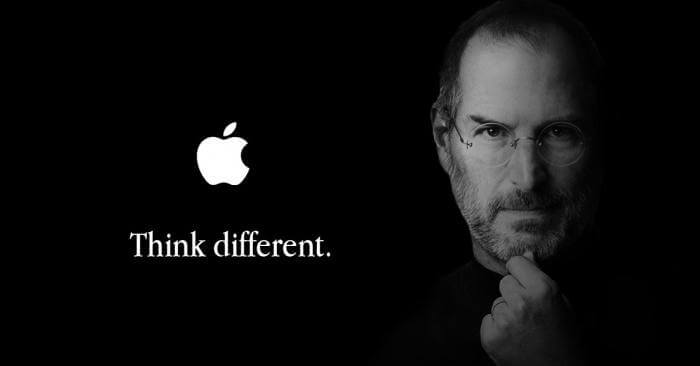
3. “Think Different”, Apple
Let’s move on to one of the tech giants: Apple and its “Think Different”, a campaign aimed at visionaries, at people who want to innovate and improve every day and who want new products that make them feel ahead of the curve.
This slogan was here to stay: although Apple no longer uses it, its most loyal users still think different.
Fun fact: the tagline was a response to one of its biggest rivals, IBM, and its motto “Think”. The campaign, launched in 1997, coincided with Apple’s comeback after Steve Jobs returned to the company.
4. “Imagination at work”, General Electric
“Imagination at work” is a slogan that redefined General Electric’s corporate identity in the 2000s, replacing its classic “We bring good things to life”.
The slogan conveys the idea that imagination is a core pillar of the company, highlighting its goals and presenting imagination as the foundation of innovation.
5. “Can you hear me now? Good”, Verizon
Let’s talk about how a slogan can represent a brand’s service, and Verizon is a great example.
Its slogan “Can you hear me now? Good”, used in the 2000s, was basically a way of representing good coverage, something Verizon took great pride in: having coverage everywhere.
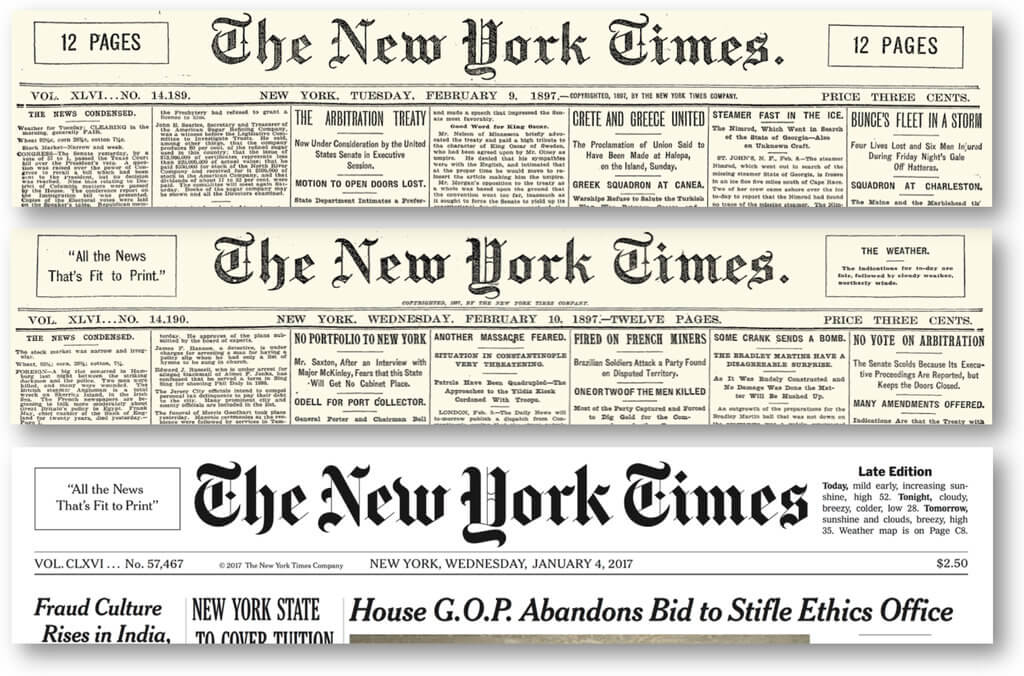
6. “All the news that’s fit to print”, The New York Times
I’ve included The New York Times because its slogan helped pave the way for a new kind of journalism (it has appeared on its front page since 1897).
At the time, sensationalism and yellow journalism were the norm for newspapers, which makes sense considering that kind of news sells the most, even today.
That’s why The New York Times came up with “All the news that’s fit to print”. What does this have to do with the above?
It was a statement from the famous newspaper that it would not publish sensationalist or yellow journalism, only news that was truly fit to print, accurate and valuable, and important to the country and the world. And it certainly made a big impact.
7. “There are some things money can’t buy. For everything else, there’s MasterCard”, MasterCard
Yes, it’s quite a long slogan (in fact, one of the longest you’ll find), but it’s still one of the best.
It began in 1997 with a series of ads that quickly became famous for the word “Priceless”, later followed by the classic “For everything else, there’s MasterCard.”
This slogan is brilliant for two reasons. First, it made MasterCard stand out superbly, planting the idea that, except for the things money can’t buy, MasterCard can get you anything you want.
Second, it stirs emotions in the audience: happiness, sadness, nostalgia. Its ads evoked many feelings and, as I mentioned earlier, feelings and emotions are powerful tools for influencing people.
8. “Because you’re worth it”, L’Oréal
Why talk about what your product does when your slogan can say all that and more in just a few words?
That’s the case with L’Oréal and its “Because you’re worth it”, in use since 1971. It’s a message clearly aimed at women who enjoy taking care of themselves and want to look their best, not to impress others, but for themselves.
It highlights how effective its products are at helping them look beautiful and unique, as they deserve. This slogan played a major role in boosting the brand, and it has even more impact than the logo itself.

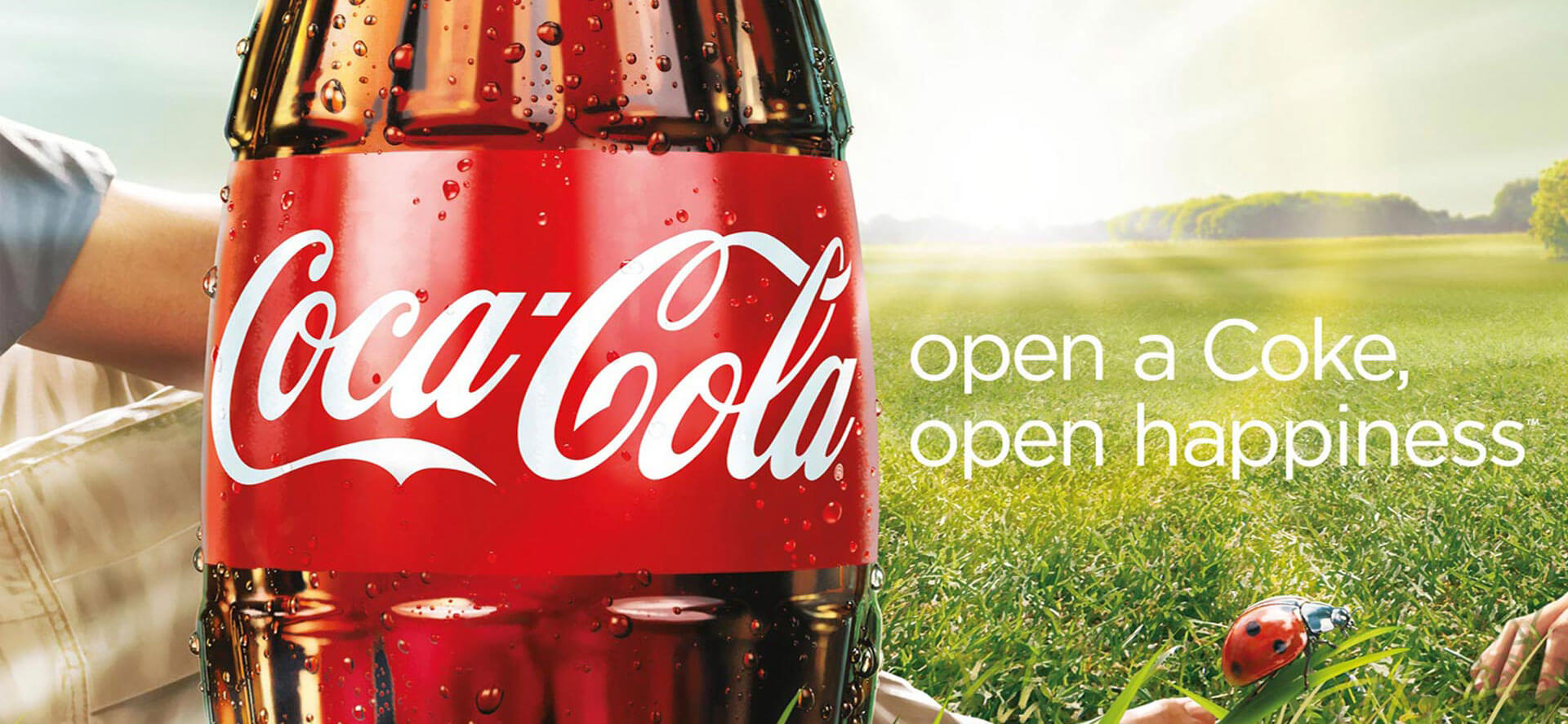
9. “Open happiness”, Coca-Cola
Coca-Cola’s “Open happiness” (used between 2009 and 2016) is a famous slogan, and it’s also one of those that don’t focus on the brand or the product, but on how it makes consumers feel.
“Open happiness” is a call for a positive mindset: open a Coke and enjoy the good things in life, or face tough times with a smile.
A lovely message in my opinion, and one that has certainly made a big impact on the famous soft drink’s audience.
But of course, it’s not the first time Coca-Cola has given us a marketing masterpiece, is it?
10. “Red Bull gives you wings”, Red Bull
About this last one, one thing needs clarifying: in 2014, Red Bull settled a class action lawsuit in the United States related to its famous slogan “Red Bull gives you wings”. But we’re not here to discuss whether it really boosts performance; we’re here to applaud one of the slogans that has sold the most in the world.
Who doesn’t know the classic “gives you wings”?
Whether it’s true or not, many people have bought a can of Red Bull believing it would boost their sports or academic performance. That’s the idea behind “gives you wings”: it lets you go further than you normally could, and this marketing campaign helped make the brand the leader in energy drinks.

Test your slogans
Run A/B tests on your subject lines with Mailrelay and find out which phrase connects best with your audience.
Get started with Mailrelay· How to create an effective, memorable slogan
Creating a powerful, memorable slogan is key to setting your brand apart in a competitive market.
Here are some tips to keep in mind when writing a slogan:
Focus on the key benefits of your product or service:
A good slogan should highlight the most important advantages of your product or service, so customers immediately understand how your brand can improve their lives.
Try to sum up the most significant benefits in a short, catchy phrase.
Use simple, concise language:
An effective slogan is easy to understand and remember.
Use clear, direct words and avoid jargon, acronyms and complicated phrases. Simplicity is key to making sure your slogan sticks in consumers’ minds.
Be original and distinctive:
A memorable slogan stands out from the competition.
Be creative and find a unique phrase that captures the essence of your brand.
Avoid clichés and copying other brands’ slogans, as this can cause confusion and weaken your brand identity.
Evoke positive emotions and connections:
The most memorable slogans create an emotional connection with consumers.
Try to evoke positive feelings such as happiness, trust, security or love.
Strong emotions help consumers associate your brand with pleasant experiences and values.
Make sure it’s easy to remember:
For a slogan to be truly effective, consumers need to remember it easily.
Rhyme, rhythm and repetition can be useful tools for making a slogan catchy and easy to remember.
It’s also important to keep it short, since shorter phrases tend to be more memorable.
By following these tips, you’ll be able to create an effective, memorable slogan that strengthens your brand identity and sets it apart in the market.

· Common mistakes when creating a slogan
When creating a slogan, it’s important to avoid certain common mistakes that can reduce its effectiveness and, in some cases, even damage the brand’s image.
These are some of the most common mistakes:
Being too generic or vague:
A generic or vague slogan doesn’t clearly communicate your brand’s value proposition and is easily forgotten.
Make sure your slogan highlights what’s unique about your product or service and stands apart from competitors’ slogans.
Ignoring cultural or regional context:
It’s crucial to consider cultural and regional differences when creating a slogan, especially if your brand operates in several countries.
What works in one country or culture may not be appropriate or effective in another. Research and test your slogan in different cultural contexts to make sure it doesn’t cause offense or misunderstandings.
Using a tone or style that doesn’t fit the brand:
The tone and style of your slogan should match the brand’s personality and values.
A humorous slogan might not suit a company focused on seriousness and professionalism, while an overly formal slogan might not resonate with a more relaxed, youthful brand.
Make sure your slogan’s tone properly reflects your brand identity.
Ignoring your target audience:
It’s essential to know your target audience and understand their needs, preferences and values when creating a slogan.
A slogan that doesn’t resonate with your audience can create a disconnect between your brand and potential customers.
Do market research and build profiles of your target audience to make sure your slogan matches their interests and expectations.
By avoiding these common mistakes, you’ll be able to create an effective, memorable slogan that strengthens your brand identity and has a positive impact on your marketing strategy.

· Case studies: slogans that revitalized brands
Here are some case studies in which a successful slogan had a significant impact on a brand’s growth and success:
Apple: “Think Different”
In the late 1990s, Apple launched its “Think Different” campaign at a time when the company was struggling to compete with Microsoft.
The slogan, which invited people to think differently and challenge the status quo, helped position Apple as an innovative, unique brand in the tech market.
The campaign helped revitalize the brand’s image and laid the groundwork for the successful launch of iconic products such as the iPod, the iPhone and the iPad.
Volkswagen: “Das Auto”
Volkswagen introduced the slogan “Das Auto” in 2007 to emphasize the quality and German engineering of its vehicles (it dropped it in 2015, after the emissions scandal).
This simple but effective slogan helped the brand stand out from its competitors and communicate its commitment to innovation and high-quality car manufacturing.
As a result, Volkswagen saw its sales grow and became one of the most recognized car brands worldwide.
Dove: “Real Beauty”
In 2004, Dove launched its “Real Beauty” campaign to challenge traditional beauty standards and promote a more inclusive vision of beauty.
The slogan and campaign helped change public perception of the brand, turning it from just a soap maker into a champion of self-esteem and diversity in beauty.
As a result, the brand saw significant sales growth and became a benchmark in advertising and beauty.
Old Spice: “The Man Your Man Could Smell Like”
In 2010, Old Spice launched its viral campaign “The Man Your Man Could Smell Like”, which helped revitalize the brand and attract a younger audience.
The slogan and the campaign’s humorous approach made Old Spice stand out in the men’s personal care market and generated huge media and consumer attention.
The campaign’s success translated into higher sales and a more positive brand perception.
These case studies show the power of a well-designed, well-executed slogan to revitalize and transform a brand’s image, which can lead to significant growth and market success.
· Conclusion
These are just some of the best slogans out there, and my personal favorites. There are many more to learn from, each with its own unique touch.
Now it’s your turn: what slogan do you love, or has even changed your life? Do you think you could apply these ideas to your email campaigns?
Share it in the comments.
If you don’t have an email marketing service yet, you can start from scratch with Mailrelay’s free account and write your most persuasive emails. Find out more now!
Bring your brand to every email
Design newsletters with your brand identity and measure their results with Mailrelay.
Create your free accountYou may also be interested in these articles: