Famous slogans: 40+ brand examples and what makes them work
The taglines everyone remembers, why they work and how to apply what they teach to your brand’s slogan

The taglines everyone remembers, why they work and how to apply what they teach to your brand’s slogan
“Just do it”, “I’m lovin’ it”, “Think different” or “Because I’m worth it”. These are some of the most famous slogans in the world.
You recognize them even without seeing the brand.
And that’s exactly what a good slogan aims for: a short phrase that brings an entire brand to mind.
In this article you’ll find more than 40 famous slogans from real brands, with what’s behind each one.
You’ll see the 10 best-known ones explained one by one, plus examples by industry, famous slogans in Spain and formulas for creating your brand’s own.
If you’re looking for quick examples, here are the best-known slogans with their brand and what they convey.
| Brand | Slogan | In Spanish | What it conveys |
|---|---|---|---|
| Nike | “Just do it” (1988) | “Simplemente hazlo” | Self-improvement and attitude |
| McDonald’s | “I’m lovin’ it” (2003) | “Me encanta” | Enjoyment and pleasure |
| Apple | “Think different” (1997) | “Piensa diferente” | Creativity and innovation |
| L’Oréal | “Because I’m worth it” (1973) | “Porque yo lo valgo” (“Because I’m worth it”) | Self-esteem |
| Mastercard | “There are some things money can’t buy” (1997) | “Hay cosas que el dinero no puede comprar” (“There are some things money can’t buy”) | Emotion over price |
| Red Bull | “Red Bull gives you wings” | “Red Bull te da alas” | Energy |
| Coca-Cola | “Open happiness” (2009) | “Destapa la felicidad” | Shared joy |
| De Beers | “A diamond is forever” (1947) | “Un diamante es para siempre” | Eternal love |
| KitKat | “Have a break, have a KitKat” | “Tómate un respiro, tómate un KitKat” (“Have a break, have a KitKat”) | Pause and rest |
| Avis | “We try harder” (1962) | “Nos esforzamos más” | The underdog’s service |
Below are the 10 best-known famous slogans, explained in more detail.
A slogan is a short, memorable phrase that a brand uses to convey its main idea or benefit.
The Royal Spanish Academy (RAE) defines it as a “brief, original formula used for advertising, political propaganda, etc.”.
The word comes from the English “slogan”, which derives from Scottish Gaelic and meant “battle cry”. The RAE recommends the Spanish spelling “eslogan”.
The difference from a tagline, the types and the steps for creating one are in the glossary entry on what a slogan is.
Get your slogan into the inbox
Use your slogan in your newsletter subject lines and headers, and strengthen your brand with every send. Free Mailrelay account with up to 80,000 emails a month.
These are the slogans almost everyone recognizes. Each one works for a different reason.
McDonald’s current slogan is “I’m lovin’ it”, which in Spain is translated as “Me encanta”.
It was launched in 2003, first in Germany with the version “Ich liebe es”. Since then the chain has used it all over the world.
It works because it doesn’t talk about the burger, but about how the person eating it feels.
It’s short, it’s sung with the famous “ba-da-ba-ba-ba” and it works in any language.
“Just do it” is Nike’s best-known slogan. The agency Wieden+Kennedy created it in 1988.
It’s aimed at people who want to push themselves. It doesn’t sell sneakers, it sells an attitude: stop thinking about it and do it.
That’s why it has gone from being a sports brand’s motto to an everyday phrase.
“Think different” was Apple’s 1997 campaign, after Steve Jobs returned.
It was also a response to IBM, whose long-standing motto was “Think”.
Apple presented itself as the brand for creative people and those who don’t follow the rules.
Although the company no longer uses it, the idea is still associated with the brand.
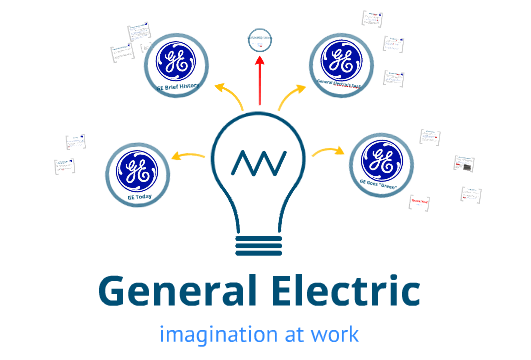
In 2003, “Imagination at work” replaced General Electric’s classic “We bring good things to life”.
The change aimed to show GE as an innovation and technology company, not just a home appliance maker.
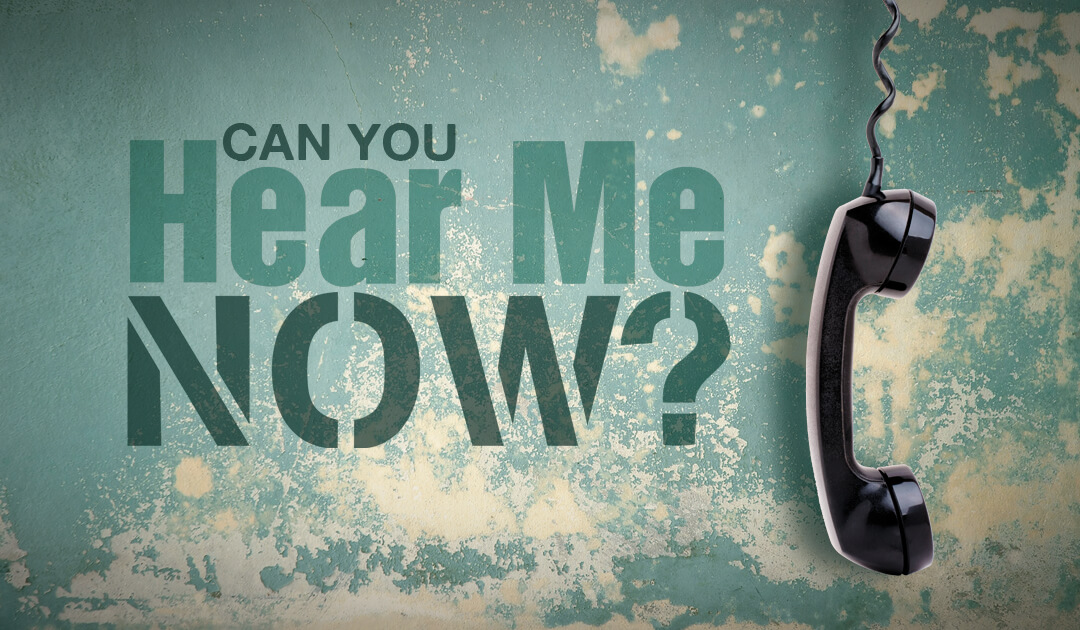
“Can you hear me now?
Good” is the slogan US carrier Verizon used to boast about its coverage in the early 2000s.
In its ads, a technician traveled to impossible places repeating the question. It’s a good example of a slogan that shows the benefit instead of telling it.
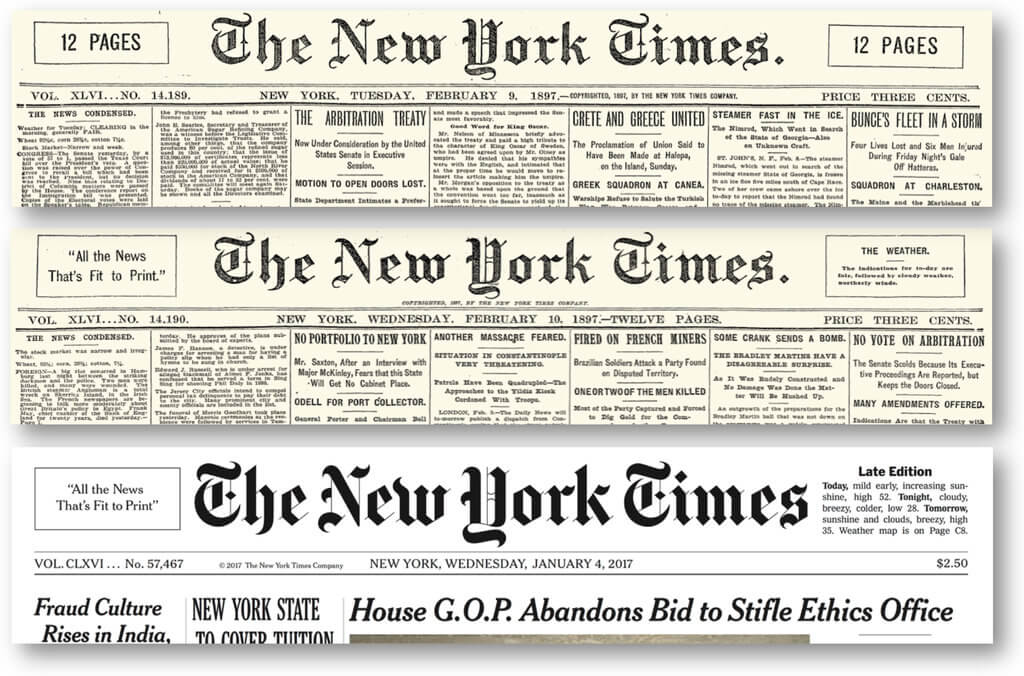
“All the news that’s fit to print” has appeared on the front page of The New York Times since 1897.
In an era of sensationalist newspapers, the paper used this phrase to promise rigor. It’s one of the oldest mottos still in use.
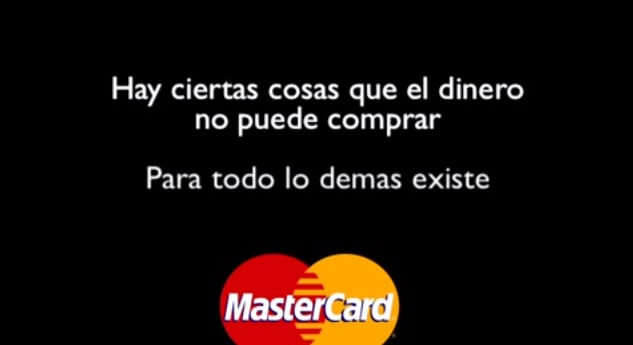
Mastercard’s “Priceless” campaign began in 1997. Its ads listed what several things cost and ended with something that was “priceless”.
The closing line was always the same: “There are some things money can’t buy. For everything else, there’s Mastercard”.
It’s a long slogan, but it works because it appeals to emotion, not to the product.
“Because I’m worth it”, known in Spain as “Porque yo lo valgo”, was born in 1973 in the United States.
The brand has adapted it over the years, including to “Porque tú lo vales” (“Because you’re worth it”).
In four words it says what no cosmetics ad could explain better: taking care of yourself is something you deserve.

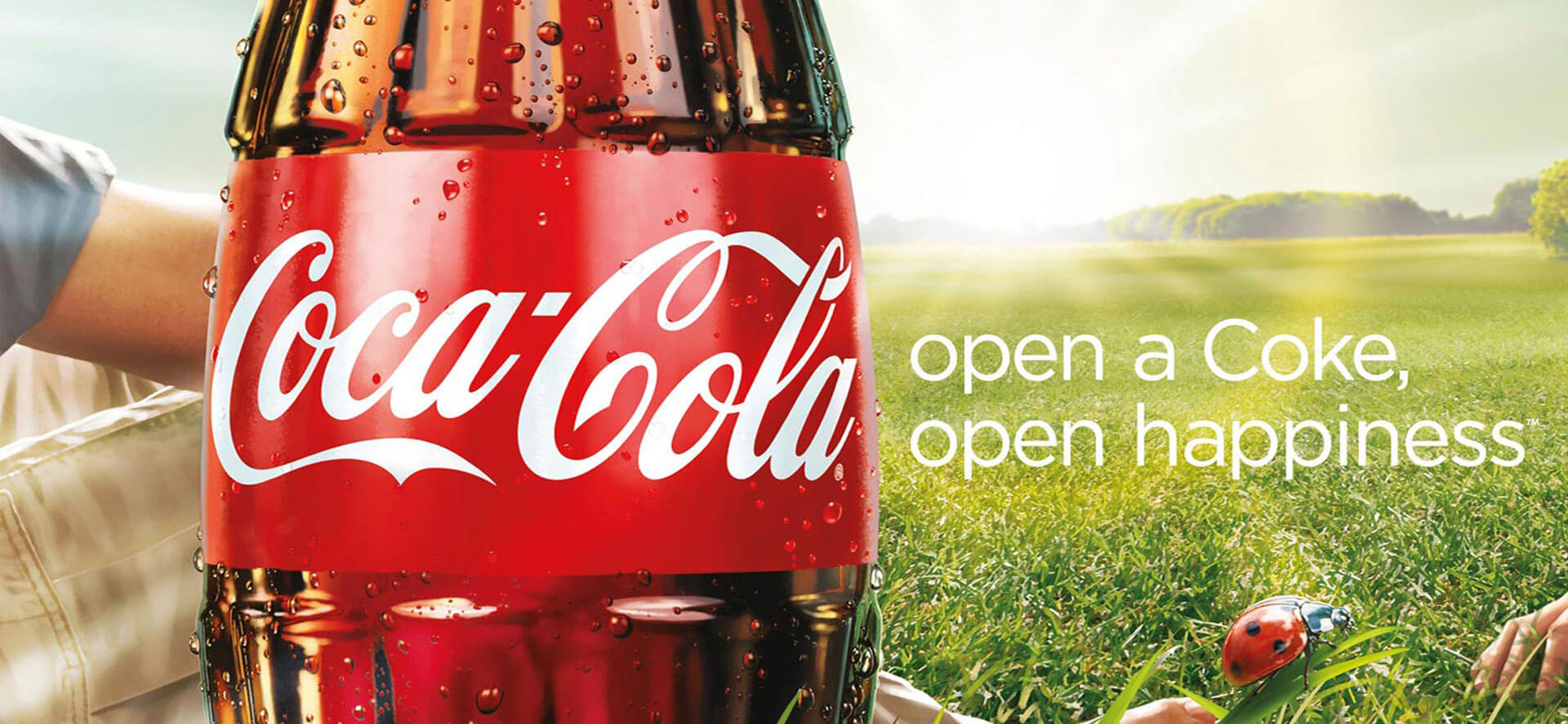
“Open happiness” was Coca-Cola’s slogan from 2009 to 2016.
Like almost all of the brand’s slogans, it doesn’t talk about the soft drink, but about how it makes you feel.
Coca-Cola has been associating its product with happy moments for decades.
“Red Bull gives you wings” is one of the most recognized slogans in the beverage world.
A curious fact: in 2014, Red Bull settled a class action lawsuit in the United States over what its advertising promised.
Even so, the brand has kept the slogan.
The idea of going further fits everything it does, from its extreme sports to its events.

Besides the 10 above, here are other slogans from famous brands, grouped by industry.
| Brand | Slogan | In Spanish |
|---|---|---|
| KFC | “Finger lickin’ good” | “Para chuparse los dedos” |
| Burger King | “Have it your way” (1974) | “A tu manera” |
| M&M’s | “Melts in your mouth, not in your hand” (1954) | “Se derrite en tu boca, no en tu mano” |
| Pringles | “Once you pop, you can’t stop” | “Cuando haces pop, ya no hay stop” |
| Lay’s | “Betcha can’t eat just one” | “A que no puedes comer solo una” |
| Carlsberg | “Probably the best beer in the world” (1973) | “Probablemente la mejor cerveza del mundo” |
| Nespresso | “What else?” | “¿Qué más?” |
| Subway | “Eat fresh” | “Come fresco” |
| Wendy’s | “Where’s the beef?” (1984) | “¿Dónde está la carne?” |
| Brand | Slogan | In Spanish |
|---|---|---|
| Adidas | “Impossible is nothing” (2004) | “Imposible es nada” |
| Gillette | “The best a man can get” (1989) | “Lo mejor para el hombre” |
| Maybelline | “Maybe she’s born with it. Maybe it’s Maybelline” | “Quizás nació con ello. Quizás es Maybelline” |
| Dove | “Real Beauty” (2004 campaign) | “Belleza real” |
| Old Spice | “The man your man could smell like” (2010) | “El hombre al que podría oler tu hombre” |
| Brand | Slogan | In Spanish |
|---|---|---|
| Audi | “Vorsprung durch Technik” (1971) | “A la vanguardia de la técnica” |
| BMW | “¿Te gusta conducir?” (“Do you like driving?”) | (Spanish version) |
| Volkswagen | “Das Auto” (2007-2015) | “El coche” |
| Mercedes-Benz | “Das Beste oder nichts” (2010) | “Lo mejor o nada” |
| Volvo | “Volvo. For life” | “Volvo. Para toda la vida” |
| Intel | “Intel inside” (1991) | “Intel dentro” |
| Visa | “Everywhere you want to be” | “Donde quieras estar” |
| FedEx | “When it absolutely, positively has to be there overnight” (1978) | “Cuando tiene que llegar sí o sí al día siguiente” |
| Airbnb | “Belong anywhere” (2014) | “Siéntete en casa en cualquier lugar” |
| Disneyland | “The happiest place on Earth” | “El lugar más feliz de la Tierra” |
| Tesco | “Every little helps” | “Cada pequeño detalle cuenta” |
The Spanish translations are approximate. Many brands don’t translate their slogan and use it in English all over the world.
Some brands have slogans that have become famous only in Spain. These are among the most memorable.
| Brand | Slogan |
|---|---|
| IKEA | “Bienvenido a la república independiente de tu casa” (“Welcome to the independent republic of your home”) |
| El Almendro | “Vuelve a casa, vuelve por Navidad” (“Come home, come home for Christmas”) |
| BMW | “¿Te gusta conducir?” (“Do you like driving?”) |
| Rexona | “Rexona no te abandona” (“Rexona won’t let you down”) |
| Desigual | “La vida es chula” (“Life is cool”) |
| KitKat | “Tómate un respiro, tómate un KitKat” (“Have a break, have a KitKat”) |
| L’Oréal | “Porque yo lo valgo” (“Because I’m worth it”) |
| Mastercard | “Hay cosas que el dinero no puede comprar” (“There are some things money can’t buy”) |
Notice that several of them use rhyme or rhythm.
It’s one of the techniques that most help people remember a phrase, and you’ll see it in the formulas further down.
If you look back at the examples above, you’ll see that famous slogans share several things.
A good slogan helps define your brand identity and complements it alongside your logo, mission and values.
It also improves recognition: when someone hears “Just do it”, they think of Nike without seeing the logo.
And that association is reinforced with every ad, every post and every email.
A slogan that connects with emotions influences the purchase decision.
That’s what emotional marketing studies, and it explains why so many famous slogans talk about feelings rather than features.
Finally, a good slogan gets shared. Customers repeat it, it becomes a hashtag on social media and it gives consistency to all your advertising campaigns.
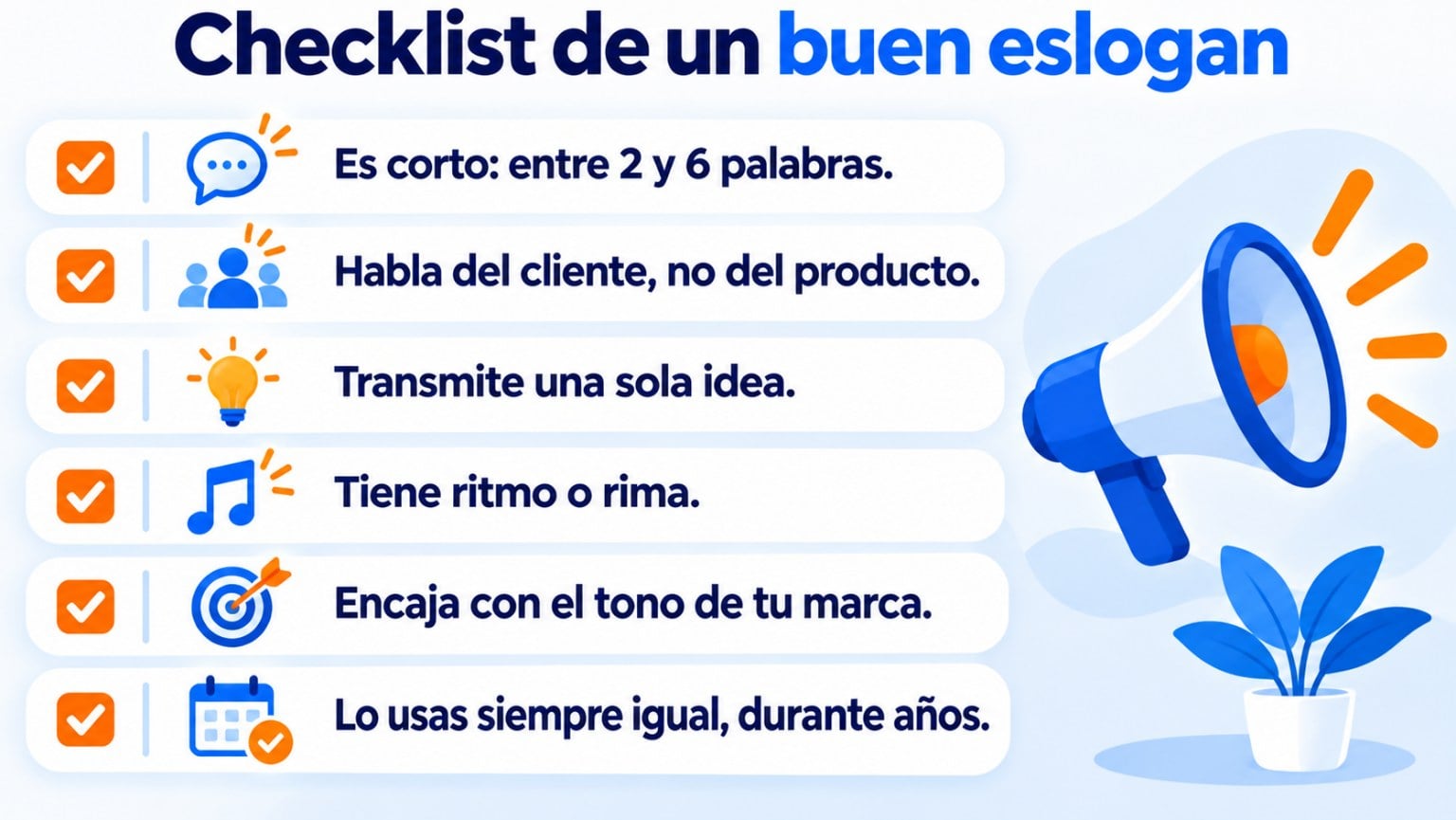
You don’t have to be McDonald’s to have a good slogan. These are the keys you can learn from famous slogans to create your own.
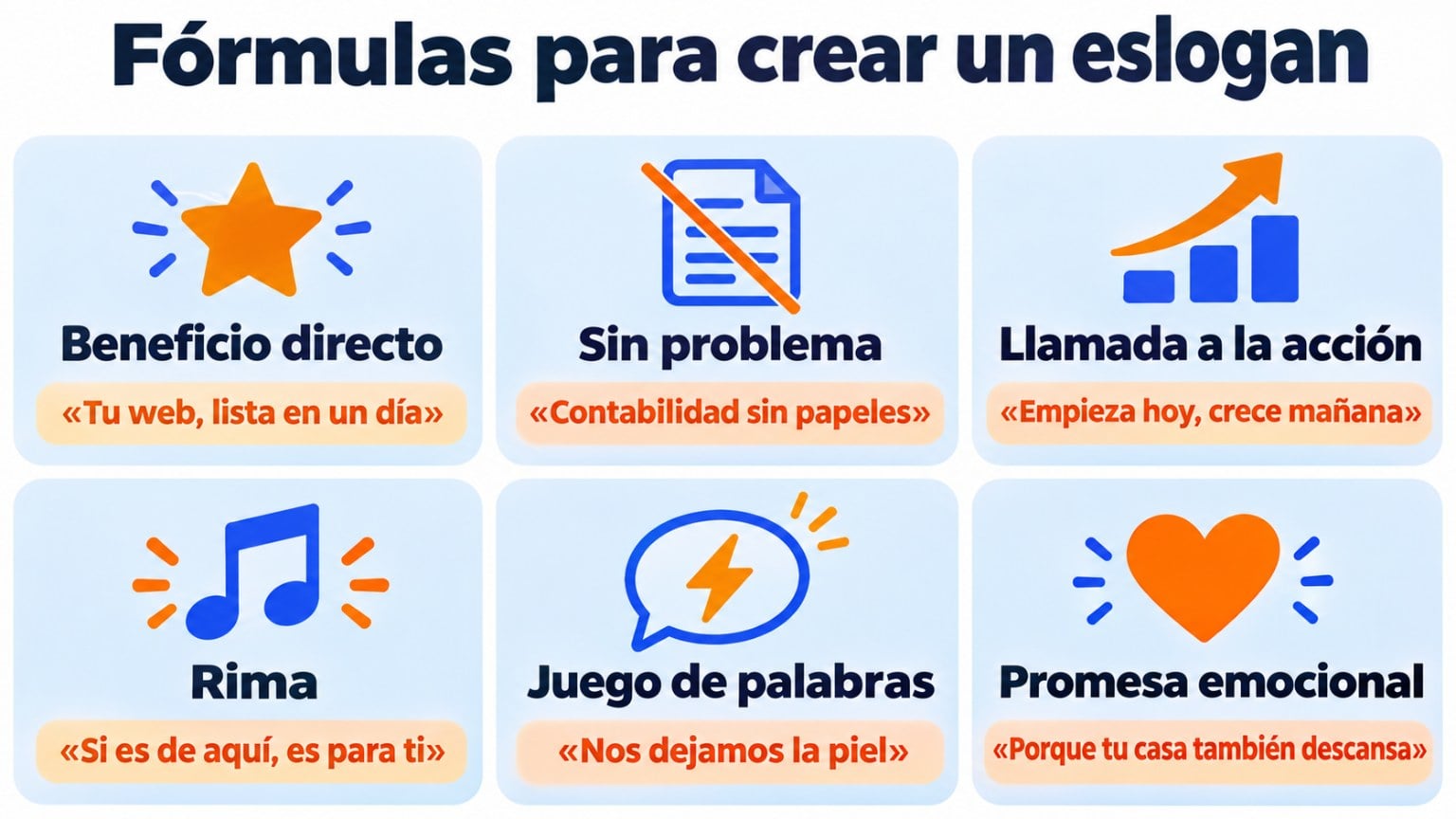
If you’re struggling to get started, these formulas will help:
| Formula | How it’s built | Made-up example |
|---|---|---|
| Direct benefit | What the customer gains, in a few words | “Your website, ready in a day” |
| No hassle | [Benefit] without [what bothers them] | “Accounting without the paperwork” |
| Call to action | Imperative verb + result | “Start today, grow tomorrow” |
| Rhyme | Two parts that sound alike | “Grown near, sold here” |
| Wordplay | A double meaning related to your industry | “We have nothing to hide”, for a leather goods shop |
| Emotional promise | How the customer will feel | “Because your home deserves a rest too” |
For the last technique, you’ll find ideas in our article on wordplay.
Can a small business create a catchy slogan? Probably not one that’s recognized all over the world, but it doesn’t need to be. It’s enough for your customers to remember it: for them to think of it when they think of your brand, or when they see a competitor. Not every business needs a slogan, of course. But if you come up with one that fits, it can help people remember your product or service. And you don’t need a big campaign to make it known: use it the same way every time on your website, in your email signature and in your newsletter header. Repetition does the rest.
Jose Argudo, CMO at Mailrelay
Put your slogans to the test
Run A/B tests on subject lines with Mailrelay and find out which phrase connects best with your audience.
These are the mistakes that hurt a slogan the most.
The first is being generic. “Quality and service” could apply to any company, so it’s no use for yours.
The second, trying to say everything. If your slogan needs a comma and an “and also”, half of it is probably unnecessary.
You also shouldn’t forget the cultural context. What works in one country can sound strange, or even offensive, in another.
And finally, choosing a tone that isn’t your brand’s. A law firm with a joke slogan is confusing.
Some slogans aren’t just remembered, they changed the course of their brand.
Apple, “Think different” (1997). It arrived when Apple was going through a crisis. The campaign restored its image as an innovative brand shortly before the iMac launched.
Volkswagen, “Das Auto” (2007). With two words, the brand reinforced the idea of German engineering. It dropped it in 2015, after the emissions scandal.
Dove, “Real Beauty” (2004). The campaign challenged beauty standards and turned a soap brand into a benchmark for self-esteem.
Old Spice, “The man your man could smell like” (2010). An ad full of humor made a brand that seemed old-fashioned go viral.
Your slogan doesn’t have to stay on your website. Email is one of the places where your customers will see it most often.
Put it in your newsletter header, next to your logo, so that every send reinforces your brand. Also add it to your email signature and your team’s.
In important campaigns, you can use it in the email subject line or in the preheader, if it fits the message.
As Jose says above, the key is to always use it the same way. Repetition is what turns a phrase into your brand’s slogan.
These are the most common questions about brand slogans.
McDonald’s slogan is “I’m lovin’ it”, which in Spain is translated as “Me encanta”.
It was launched in 2003 and the chain still uses it all over the world.
There’s no official list, but Nike’s “Just do it” and McDonald’s “I’m lovin’ it” are among the most recognized.
So are Apple’s “Think different” and L’Oréal’s “Because I’m worth it”.
The RAE recommends “eslogan”, with the plural “eslóganes”.
“Slogan” is the original English form and is understood just as well, but in a Spanish text it’s better to use the adapted form.
There’s no set number, but most famous slogans have between 2 and 6 words. The shorter it is, the easier it is to remember.
In Spain, a slogan can be registered as a trademark with the Spanish Patent and Trademark Office if it is distinctive.
A generic phrase that anyone could use is usually not accepted.
Bring your brand to every email
Design newsletters with your brand identity and measure their results with Mailrelay.
How to create business names
Tips for choosing a good name and free generators for inspiration.
Brand marketing: what it is and how to use it
How to work on your brand to connect with your customers.
The most horrifying rebrandings in history
What went wrong in the most notorious rebrandings and what to learn from them.
Advertising teasers: what they are, with examples
How to build anticipation before a launch, with strategies and examples.

Jose Argudo
CMO at Mailrelay. Writes about email marketing, copywriting and conversion for SMEs and entrepreneurs.