Nobody buys on their first visit to a website. Most of the time, not even on the second. There is a journey between first contact and purchase, and along the way many people get lost. Email is the most effective tool for guiding them to the end, as long as you send the right message at the right time.
In this guide, we explain how an email marketing funnel works and what its stages are. You’ll also see 10 types of emails you can send to convert more subscribers into customers.
What is an email marketing funnel?
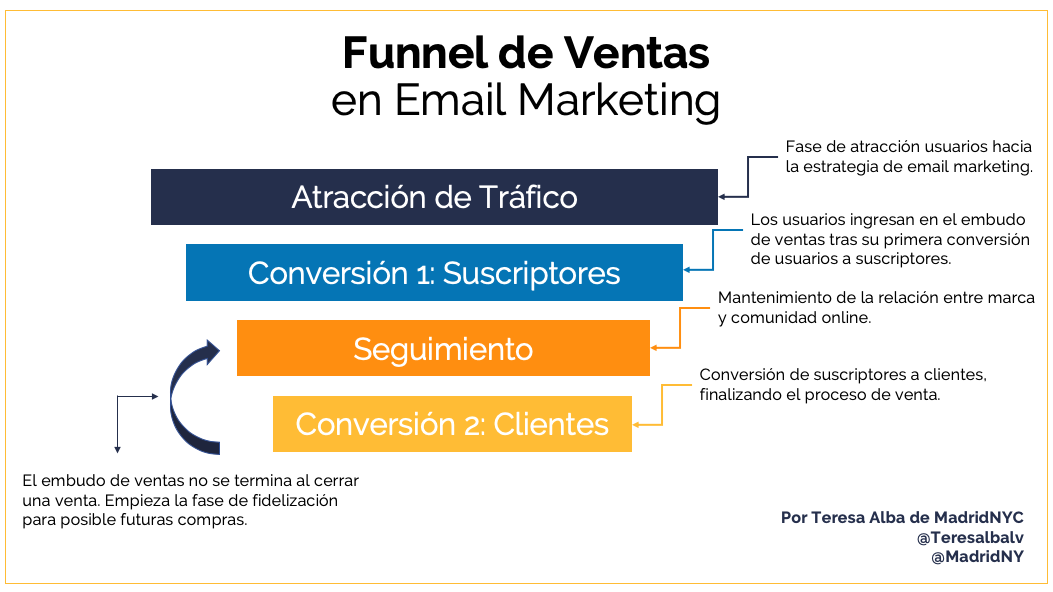
A sales funnel represents the stages a person goes through from discovering your brand to making a purchase. It’s called a funnel because fewer people remain at each stage: many enter at the top, and only some make it to the purchase.
An email marketing funnel is the application of that model to your email campaigns. It means planning which emails each contact receives depending on the stage they’re at, to help them move on to the next one.
The key lies in the words “depending on.” Writing to someone who has just discovered you is not the same as writing to someone who has already compared prices and is about to decide. If you want to go deeper into the stages, we explain them in our guide to TOFU, MOFU and BOFU.
Why build a funnel into your email marketing strategy
Many companies send the same newsletter to their entire list and hope someone buys. It works sometimes, but it leaves a lot of money on the table.
A well-designed funnel brings clear advantages:
- You get to know your contacts better: every click and every open tells you where they are and what interests them.
- You tailor your messages: segmentation in email marketing lets you send each group what it needs.
- You build a relationship: the contact receives help before receiving offers, and that builds trust.
- You boost productivity: with automation, emails go out on their own at the right time.
- You spot the drop-off points: if many contacts get stuck at one stage, you know exactly where to improve.
The stages of an email marketing funnel
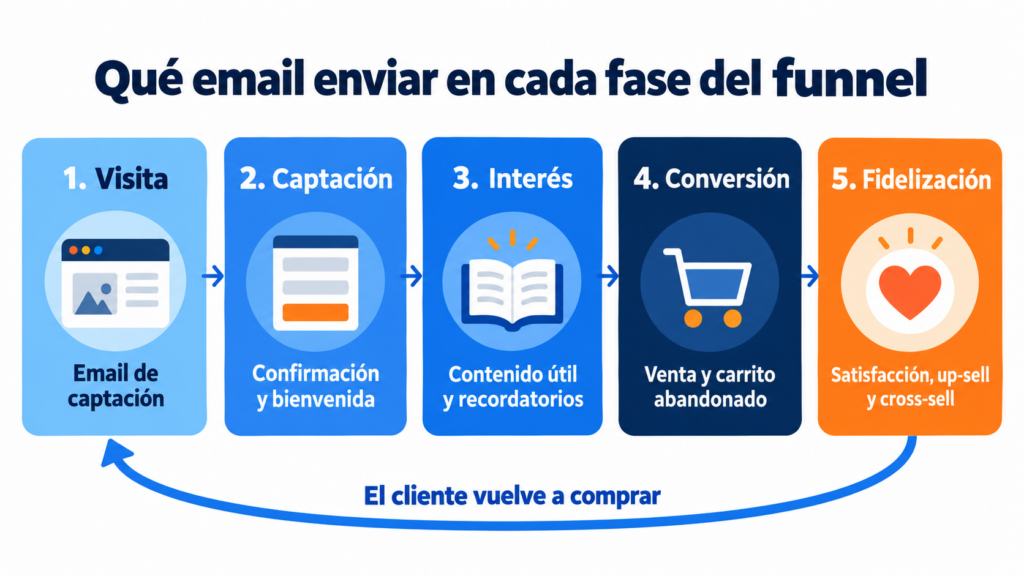
There are many versions of the model. In email marketing, the most useful version has five stages.
1. Visit. A person lands on your website from a search engine, a social network or an ad. You don’t know who they are yet. Your goal is to give them a reason to leave you their email.
2. Lead capture. The visitor subscribes through a form, usually in exchange for something valuable: a guide, a discount or a free trial. A good lead magnet and a clear landing page are decisive at this stage.
3. Interest. The new subscriber already knows you, but isn’t ready to buy yet. This is the time to provide useful content, answer questions and learn more about their interests. This is where lead nurturing comes into play.
4. Conversion. The contact is ready to decide. They need a clear offer, specific arguments and an easy way to buy.
5. Loyalty. The sale isn’t the end. A satisfied customer can buy again, purchase complementary products and recommend you. That’s why the funnel is really a cycle.
These stages match the classic classification. Visit and lead capture make up the top of the funnel (TOFU). Interest is the middle (MOFU), and conversion is the bottom (BOFU).
How to create your email marketing funnel step by step
Before writing a single email, it pays to plan. These are the basic steps:
- Define your ideal customer: create your buyer persona to know what they need and what objections they have at each point.
- Set a goal for each stage: capture, educate, convince, sell or build loyalty. Each email should pursue only one of them.
- Choose the right format: guides and articles to educate, webinars or success stories to convince, offers and free trials to close.
- Segment your list: separate contacts by their stage, interests and behavior.
- Automate your sequences: an email marketing automation sends each email when a condition is met, such as a subscription, a click or an abandoned cart.
- Measure and optimize: review the results of each stage and test improvements with an A/B test.
10 types of emails by funnel stage
These are the most effective emails to guide your contacts from lead capture to loyalty.
1) Lead capture email
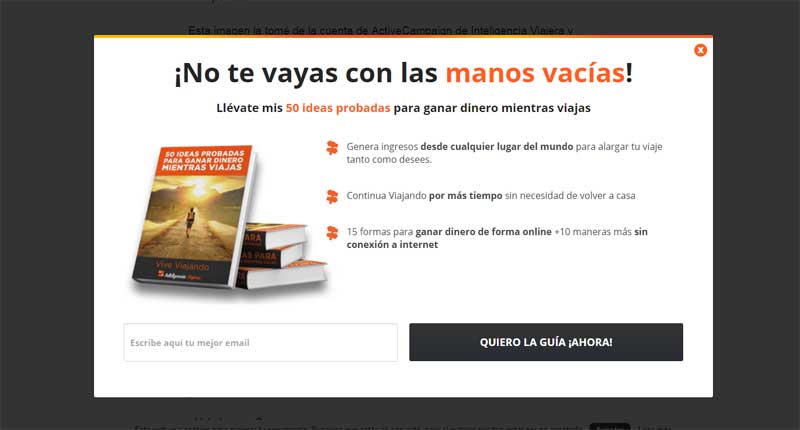
Its goal is to get the visitor to subscribe. The key piece is usually the landing page that goes with your ads or posts. On it, you offer free content, a product trial or a discount. And you add a call to action so the user leaves their email.
We are at the very top of the funnel. People who subscribe share a need, and your content shows them that you can help with it.
2) Confirmation email
This is a functional email that is sent automatically when someone subscribes with double opt-in. It asks them to confirm their address to complete the sign-up.
It seems like a minor detail, but it matters. If the contact doesn’t confirm, you won’t be able to write to them. That’s why the message should be short, clear and have a single button. If they haven’t done so after a few days, you can send them a reminder.
3) Welcome and thank-you email
The welcome email is the first real contact with your new subscriber, and it usually has one of the highest open rates of any email you send. Use it to introduce your brand, deliver what you promised and explain what they’ll receive from now on.
Thank-you emails also work at other stages: after a survey, after attending an event, after a first purchase or after a year as a customer. Saying thank you strengthens the relationship.
4) Email to provide more information
In the interest stage, the goal is to keep the subscriber’s attention with valuable content tailored to their needs: articles, guides, videos or invitations to a webinar.
At this point, many contacts are willing to tell you more about themselves, such as their industry, interests or location. That information will let you personalize your next emails much better.
5) Reminder email
Its purpose is to re-engage people who never got around to consuming a piece of content: a webinar they didn’t attend, a guide they didn’t download or a free trial they didn’t activate.
The subscriber is already aware of their problem and is looking for a solution. A well-timed reminder, accompanied by a question or a short survey, helps them take the next step.
6) Sales email
When you already know well what your contact needs, it’s time to present your offer. Focus on the benefits they’ll get, support your arguments with reviews or success stories, and include a clear call to action.
This is where the conversion stage begins, in which the subscriber becomes a customer. Ideally, they’ll buy from you more than once.
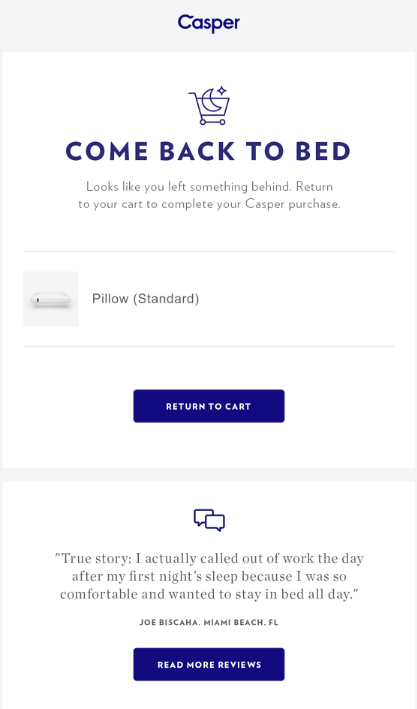
7) Abandoned cart email
Many shoppers get as far as the cart and don’t complete the purchase. The most common reasons are high shipping costs, a slow website, a complicated sign-up, a lack of trust or simply an interruption.
An abandoned cart email recovers some of those sales. A sequence that works well has three emails. The first goes out one hour after the cart is abandoned. The second, the next day with a small incentive. The third warns that the offer is about to expire. Automate it so it triggers on its own.
8) Satisfaction email
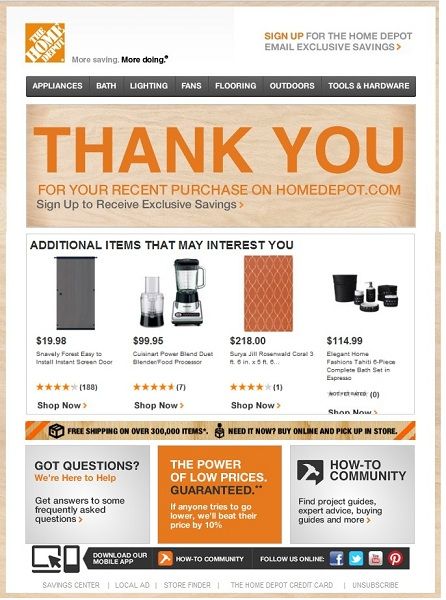
After the purchase, ask your customer how their experience was, whether they have questions about the product or what you could improve. You show that the relationship doesn’t end with the payment.
This email is key to customer loyalty. Because selling to someone who has already bought from you is usually much more profitable than winning a new customer.
9) Upselling and cross-selling email
These are two very effective techniques in the loyalty stage. Upselling consists of offering a higher-end version of the product the customer has already bought. Cross-selling consists of offering them complementary products.
For example, if a customer has bought a coffee maker, you can recommend coffee, filters or a grinder. Recommendations based on their purchase history work much better than generic ones.
10) Maintenance and reactivation email
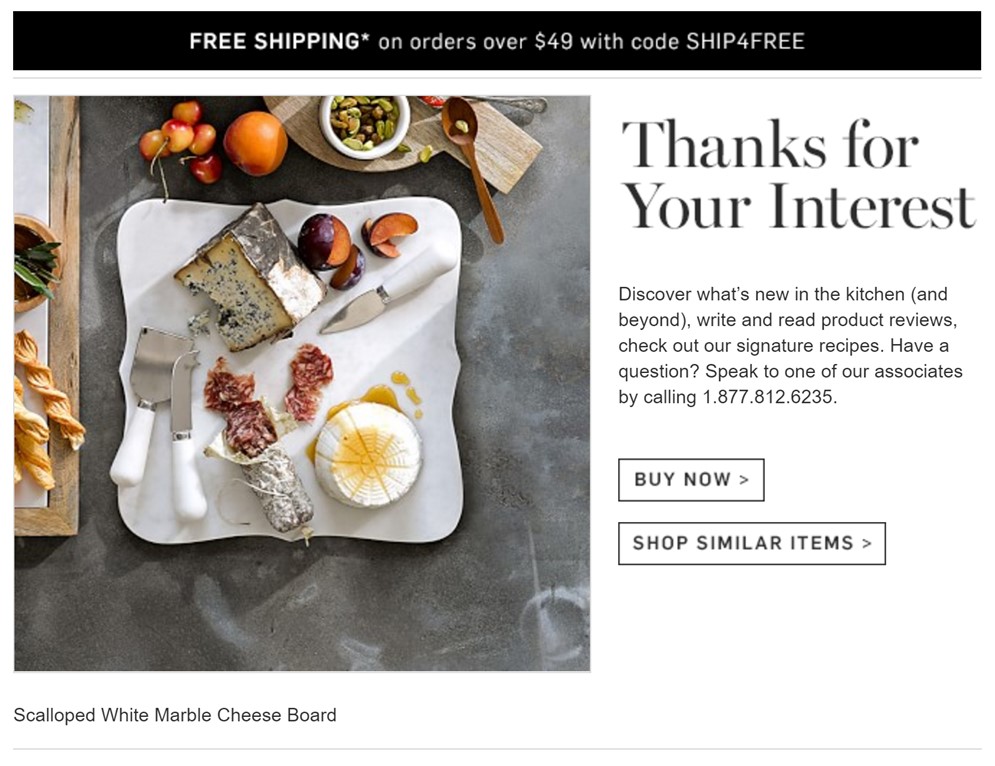
When a subscriber is already a customer, they’re still part of your community. Send them a newsletter with useful content and news that reminds them why they chose you.
Also take advantage of key moments: a subscription renewal, an anniversary, their birthday or the launch of a product related to what they bought. And if they stop engaging for a long time, a winback campaign can bring them back into the funnel.
How to measure your email marketing funnel
Each stage has its own metrics. For lead capture, look at the subscription rate of your forms. At the interest stage, check the open rate and the CTR. At conversion, check the conversion rate and the revenue each campaign generates.
Compare the results between stages. If many contacts open your emails but few buy, the problem may lie in the offer or the checkout page. If almost nobody opens them, review your subject lines and sending frequency.
How we help you at Mailrelay
At Mailrelay, we make it easy for you to build your funnel from start to finish. You can create subscription forms with double opt-in, segment your list based on each contact’s behavior and design automations that send each email at just the right time. You can also check detailed statistics to see which stage needs improvement.
All of this on a free plan of up to 80,000 emails a month and 20,000 contacts. If you want to try it, you can create your email marketing account at Mailrelay today.
Frequently asked questions about the email marketing funnel
How many emails should a funnel have? There is no fixed number. It depends on the complexity of your product and how long your customer takes to decide. A welcome sequence of three to five emails is a good starting point.
How often should you send the emails? In automated sequences, it’s usual to leave two to four days between emails. In the decision stage, the intervals can be shorter.
What is the difference between an email marketing funnel and an autoresponder? The funnel is the strategy: which message each contact receives at each stage. The autoresponder is the tool that sends those messages automatically.
In conclusion
An email marketing funnel turns your contact list into an orderly sales process. Each person receives the message they need depending on the stage they’re at, and you know at all times where opportunities are being lost.
Start with the basics: a good form, a welcome sequence and an abandoned cart email. Then add the rest of the emails, measure the results and improve each stage. Remember that the funnel continues after the sale: its best result comes when your customer buys again.